Complete Upperface Transformation Procedure (C.U.T.) USA
Experiencing male pattern baldness or hair loss is distressing for men. However, for transgender women, hair loss can become even more stressful and dysphoric. When women lose hair due to genetics or hormones, it typically falls out in a Christmas tree pattern at the top of the scalp. Therefore, the pattern of loss not only indicates a gender they feel dysphoria around, but it also can take away from a feminine look. Hair transplant surgery is one solution. Dr. Javad Sajan at Allure Esthetic offers the best MTF hair transplant Seattle provides.
Many transgender women experience daily distress when the upper face has typically masculine skeletal characteristics. This is often influenced by underlying craniofacial anatomy, including a broader forehead contour, a more prominent brow ridge, and the upper orbital rims. By comparison, facial characteristics are more commonly associated with feminine presentation that includes a smoother forehead profile, reduced brow prominence, and a more refined orbital area.
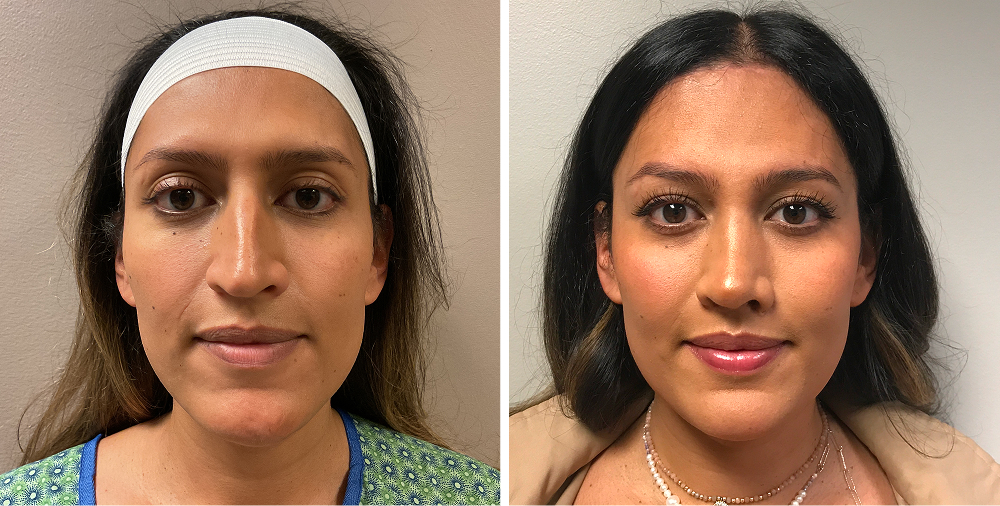
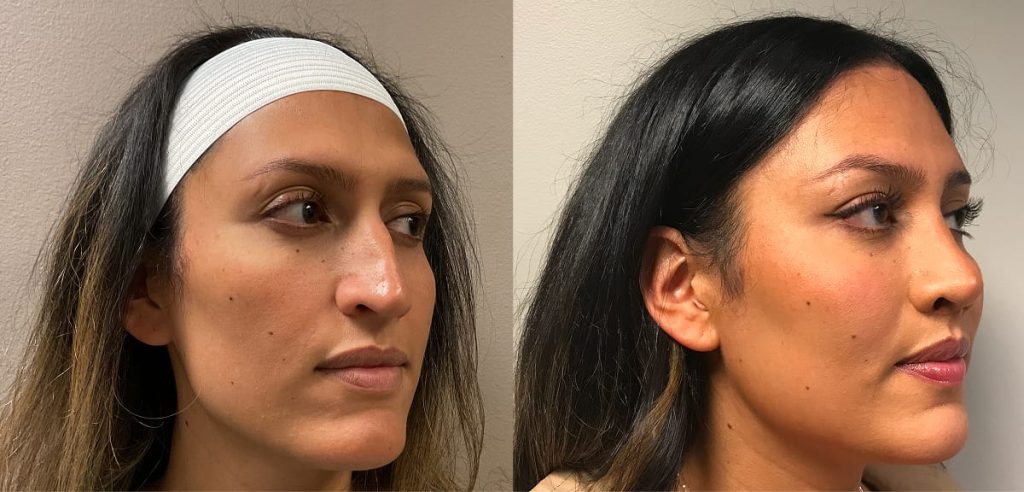
To address these concerns, a Complete Upperface Transformation (C.U.T.) procedure is often recommended. C.U.T. is designed to reshape key upper-face structures within one coordinated surgical plan, targeting the upper third of the face rather than relying on surface-level changes.
Feminization Surgeries is a premier destination for gender-affirming facial care, led by Dr. Javad Sajan, an internationally recognized plastic surgeon. He specializes in facial feminization and body procedures, delivering natural, long-lasting FFS results. Patients travel from across the United States and internationally to be treated by Dr. Sajan for his precision, planning, and specialized understanding of meaningful facial transformation.
What Is the C.U.T. Procedure?
Complete Upperface Transformation (C.U.T.) is a specialized upper-face feminization surgery that reshapes and refines the forehead, brow region, and upper orbital area, creating a smoother, more harmonious appearance.
What does“Complete Upperface Transformation” Usually Includes?
Every surgical plan is individualized, but C.U.T. is commonly discussed as a combination of procedures that may include:
Forehead contouring (Type III cranioplasty): Reshapes the forehead contour by addressing the underlying bone structure. This approach is often used when a more prominent frontal bone needs a more comprehensive correction to create a smoother, more traditionally feminine forehead profile.
Brow bone reduction: Reduces projection in the brow ridge area to soften the transition from the forehead to the brows. The goal is a less heavy-looking upper face and a more balanced frame around the eyes.
Eyebrow repositioning or lifting: Adjusts brow position when needed to open the eye area and improve upper-face harmony. This step can help the brows sit in a position that better matches the new forehead and brow contours.
Orbital rim reshaping: Refines the upper orbital rims to soften the bony frame around the eyes. This can reduce a sharper, more angular look and support a smoother upper-face transition.
Hairline advancement (if appropriate): Moves the hairline forward in suitable candidates to reduce forehead height and improve overall facial proportions. This is only included when it supports balance and can be done safely based on anatomy and hair characteristics.
These components can be planned as part of a broader facial feminization surgery approach or as an upper-face focused transformation when the upper third is the primary goal.
Who Is a Good Candidate for C.U.T.?

A Complete Upperface Transformation (C.U.T.) procedure may be a strong fit for patients who want structural refinement of the upper third of the face and have goals that align with forehead, brow, orbital, and hairline changes.
- Feel the upper face reads as masculine due to a prominent brow ridge, stronger forehead contour, or a heavier upper-eye frame.
- Want bone-level change, not surface-level improvement, and understand that fillers, neuromodulators, and skincare cannot reshape the underlying forehead or brow bone.
- Have upper-face features commonly addressed with C.U.T., such as frontal bossing, brow projection, or an angular transition from forehead to brow.
- Would benefit from coordinated planning of forehead contouring (including Type III cranioplasty when indicated), brow bone reduction, orbital rim reshaping, and eyebrow repositioning or lifting.
- Have a high hairline or longer forehead and may be appropriate for hairline advancement, based on scalp laxity, hair density, and scar considerations.
- Are in good overall health, with no uncontrolled medical conditions that increase surgical risk, and with the ability to follow post-operative instructions closely.
- Do not smoke or are willing to stop, since smoking and nicotine use can increase healing risks and affect incision outcomes.
- Have stable expectations and are seeking a natural-looking result that matches their facial proportions rather than an exaggerated change.
Benefits of C.U.T. in the USA
A Complete Upperface Transformation (C.U.T.) is designed for patients who want structural refinement of the upper third of the face, not temporary surface-level changes. When performed with a coordinated plan, it can deliver meaningful upper-face feminization while maintaining natural proportions.
- More feminine forehead contour: Forehead contouring, including Type III cranioplasty when indicated, can reduce a prominent upper-forehead and create a smoother profile that reads softer in both photos and real life.
- Reduced brow heaviness: Brow bone reduction can soften a strong brow ridge, helping the upper face look less shadowed and less angular.
- Softer frame around the eyes: Orbital rim reshaping can refine the bony outline around the upper eye area, supporting a more open, balanced upper face.
- Improved eyebrow position and harmony: Eyebrow repositioning or lifting can help the brows sit in a place that better matches the new forehead and brow contours, improving overall upper-face symmetry and balance.
- Better upper-face proportions when hairline advancement is appropriate: For patients with a higher hairline or longer forehead, hairline advancement can reduce forehead height and improve facial proportions, especially when paired with forehead contouring.
- One coordinated surgical plan: Instead of treating each concern separately, C.U.T. combines key upper-face changes into a single plan so results look unified rather than piecemeal.
- Long-lasting structural change: Because the procedure focuses on underlying anatomy, results are typically durable, with normal aging still occurring over time.
What Happens During the Procedure?
During a Complete Upperface Transformation (C.U.T.), Dr. Sajan and his team follow a structured plan to safely and predictably reshape the upper third of the face. The exact steps vary by anatomy and the procedures included, but the process typically follows this sequence:
- Anesthesia and surgical preparation: The procedure is usually performed under general anesthesia. The face and scalp are prepped, and incision placement is confirmed based on the surgical plan.
- Incision placement: Access is commonly created through an incision either within the scalp or along the hairline, depending on whether hairline advancement is included and what approach best supports scar concealment and exposure.
- Forehead contouring (Type III cranioplasty when indicated): If Type III work is planned, Dr. Sajan reshapes the forehead structure to create a smoother contour. This is typically used when brow prominence is driven by deeper bony anatomy, requiring a more comprehensive correction than surface contouring alone.
- Brow bone reduction: The brow ridge is refined to reduce projection and soften the transition between the forehead and the brow area, helping the upper face appear less heavy and more balanced.
- Orbital rim reshaping: The upper orbital rims may be contoured to soften the bony frame around the eyes and improve harmony between the forehead, brow, and eye area.
- Eyebrow repositioning or lifting: If included, the brows are adjusted to sit in a position that better matches the new forehead and brow contours, supporting a more open, refined look around the eyes.
- Hairline advancement (if appropriate): When part of the plan, the hairline is advanced to reduce forehead height and improve overall proportions. This step is only performed when scalp laxity and hair characteristics support a safe, stable result.
- Closure and stabilization: Dr. Sajan closes the incision carefully to support clean healing. Dressings may be applied, and the patient is monitored during recovery before discharge instructions are reviewed.
What Is the Cost of C.U.T. Surgery in the USA?
The cost of a Complete Upperface Transformation (C.U.T.) is variable, depending on several factors. These include the complexity of the skeletal modifications needed, whether hairline alteration is part of the plan, and if other procedures are also included in the surgery. The overall price typically covers the scope of the surgery, anesthesia, and facility charges; combining procedures may incur additional fees.
For individuals seeking C.U.T. costs in the USA, a finalized quote can be provided after a thorough consultation with Dr. Sajan and Facial Feminization Surgeries. This evaluation is essential for determining if the surgical plan requires specific elements such as Type III forehead reconstruction, orbital rim contouring, hairline work, or other necessary supporting procedures according to anatomy, meeting a person’s specific goals.

How will Recovery Look like after the C.U.T Surgery?
Recovery after a Complete Upperface Transformation (C.U.T.) is typically most intense in the first few days, when swelling, tightness, and bruising around the forehead and eyes are most noticeable. The first week is usually focused on rest, head elevation, incision care, and avoiding strenuous activity, with early follow-ups to monitor healing. Many patients see a clear reduction in visible swelling and bruising over the next 2 to 3 weeks, but mild puffiness, firmness, or temporary numbness in the scalp or forehead can take longer to fully settle.
While most people look more socially presentable within several weeks, final refinement continues gradually, and results can keep improving for several months, especially when the plan includes Type III forehead work, orbital rim reshaping, or hairline advancement.
Why Choose Dr. Javad Sajan for C.U.T?
Dr. Javad Sajan leads Feminization Surgeries, a practice known for gender-affirming facial care that emphasizes structural planning rather than surface-level changes. For C.U.T., that matters because the goal is to refine the upper third of the face as one integrated region, aligning the forehead contour, brow bone, orbital rims, and brow position for a balanced, natural result.
Dr. Sajan is also a high-volume facial feminization surgeon, with his practice stating he has performed more than 4,000 facial feminization surgeries, reflecting extensive experience with the anatomical variations that influence outcomes in forehead contouring and brow reduction.
In addition to surgical volume, Dr. Sajan’s practice highlights multiple forms of recognition and public visibility. His profile notes Patients Choice Award recognition and lists national media features, including Cosmopolitan, National Enquirer, and Insider, with the Allure Esthetic site also displaying broader “featured in” placements such as USA Today.
For patients comparing surgeons for C.U.T., the practical advantage is a technique-driven, anatomy-first approach that treats upper-face transformation as a single plan rather than isolated procedures, so the forehead, brow, and orbital region look cohesive once healing is complete.
FAQ
C.U.T. stands for Complete Upperface Transformation. It refers to an upper-face focused surgical plan that may combine forehead contouring, brow ridge reduction, and supporting procedures that improve harmony across the forehead, brow, and orbital region.
C.U.T. is broader than forehead contouring alone. Descriptions of the procedure emphasize that upper-face feminization often requires attention to multiple structures, which can include the forehead bone, brow area, hairline framing, orbital rims, and related soft tissues.
Many descriptions note that recovery can take several weeks, with early bruising, swelling, and discomfort expected during initial healing.
Yes, in some surgical plans hairline adjustment is considered alongside forehead and brow work to keep facial proportions balanced.
In selected patients, upper-face procedures can be included in a single-session facial feminization approach, depending on medical factors and the overall surgical plan. Feminization Surgeries also describes performing single-session FFS regularly when appropriate.
Schedule a C.U.T. Consultation
For patients seeking a Complete Upperface Transformation procedure in the USA, the most reliable path is a consultation that defines anatomy, sets a realistic surgical plan, and outlines recovery expectations. Feminization Surgeries provides gender-affirming facial surgery care in Seattle, and Dr. Javad Sajan performs facial feminization procedures with upper-face-focused options based on individualized planning. Schedule a consultation, call (206) 990-0060.
Allure Esthetic Plastic Surgery