

Hairline Lowering Scar Revision
Visible scarring from previous hairline-lowering surgery can affect your confidence and appearance every single day, especially after a feminization surgery. These prominent scars along your hairline draw unwanted attention, making you feel self-conscious about wearing your hair up or styling it away from your face.
Dr. Javad Sajan at Feminization Surgeries specializes in hairline-lowering scar revision techniques using the FUE and FUT methods specifically for transgender individuals. He ensures these techniques are used to reduce and virtually eliminate visible scarring, restoring a natural hairline appearance.
What is Hairline Lowering Scar Revision?
Hairline-lowering scar revision is a specialized procedure that fixes the appearance of scars from previous forehead reduction or hairline advancement surgery. When your first surgery heals, scars can widen, become raised, or change color along your hairline. This revision surgery addresses your old scars by using advanced hair transplantation techniques that naturally camouflage the scar line with your own hair follicles, which is deemed essential for many transgender women pursuing facial feminization.
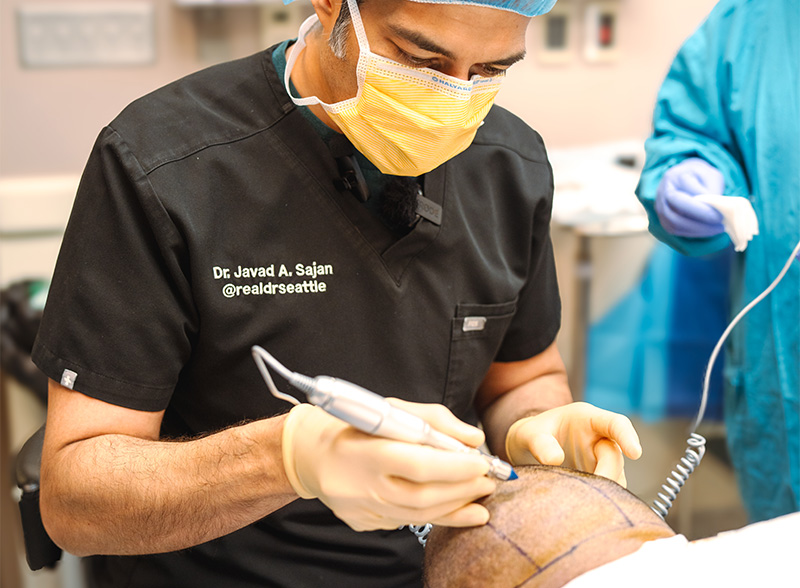
What Are FUE and FUT Hair Transplantation Techniques?
FUE (Follicular Unit Extraction) and FUT (Follicular Unit Transplantation) are two of the most effective methods for hiding hairline-lowering scars. These techniques use your own hair follicles to create natural coverage directly along the scar line, making the scar virtually invisible even at close range. For transgender women, these methods offer superior results because they create the soft, natural hairline essential to feminine facial features.
Both techniques involve harvesting healthy hair follicles from donor areas of the scalp and transplanting them strategically along the scar. As these follicles grow, they produce natural hair that permanently camouflages the scar line. The choice between FUE and FUT depends on the type of scarring, hair density, aesthetic goals, and medical history.
What is the difference between FUE & FUT for Hairline Scar Revision?
FUE Hair Transplant
FUE is a minimally invasive technique in which individual hair follicles are extracted using micro-punch tools. This method offers several advantages for transgender patients, including:
- No linear donor scar
- Suitability for shorter hairstyles
- Precise placement into scar tissue
- Faster recovery
- Fine control over hairline softness and density
Dr. Sajan uses advanced FUE techniques to ensure transplanted hair blends naturally with existing hair, which is critical for achieving a convincingly feminine appearance.
FUT Hair Transplant
FUT involves removing a thin strip of hair-bearing scalp from a donor area, which is then dissected into individual follicular units and transplanted along the scar. FUT is often recommended for patients who require:
- Higher grafts in a single session
- Greater density for larger or wider scars
- Cost-effective solution for excess scarring
The donor scar is concealed beneath existing hair. This method helps Dr. Sajan to harvest thousands of high-quality follicles for comprehensive, durable coverage.
How Do FUE and FUT Techniques Hide Your Scar?
The science behind these techniques is straightforward but requires exceptional surgical skill and artistic vision, particularly when working with transgender patients who require natural feminization results. Here’s how Dr. Sajan uses FUE and FUT to hide your hairline scar
Scar Assessment & Planning
Dr. Sajan carefully examines your scar, evaluating its width, texture, and location. He considers your natural hair growth pattern, hair density, and facial proportions to design a feminine hairline that will optimally camouflage the scar. For transgender women, special attention is given to creating a rounded, lower hairline that enhances feminine facial features.
Follicle Harvesting
FUE Method: Individual follicular units are extracted from the donor area using precise micro-punches. This preserves follicle integrity and ensures maximum survival rates.
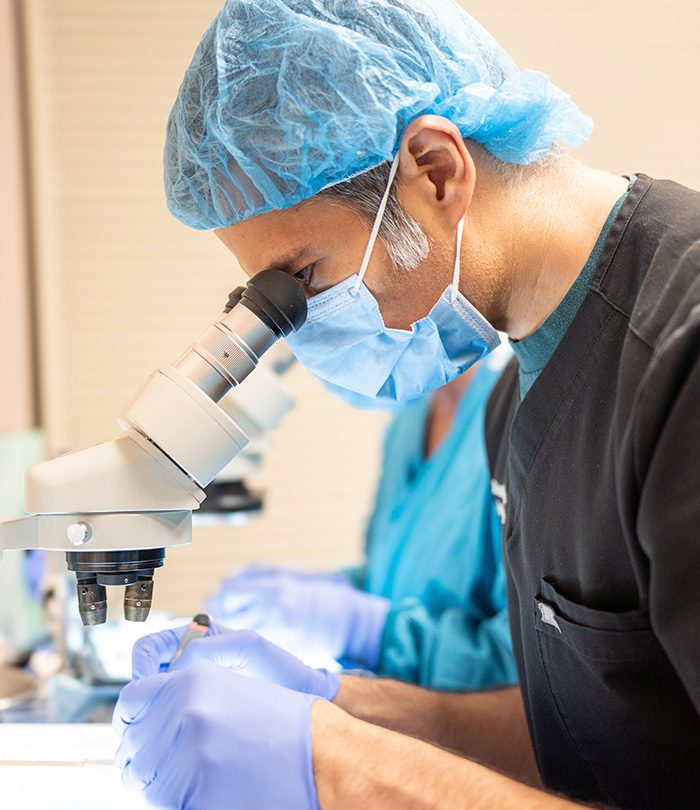
FUT Method: A narrow strip of scalp tissue is removed and meticulously dissected under magnification into individual follicular units containing 1-4 hairs each.
Strategic Implantation
Dr. Sajan creates tiny recipient sites directly along and within the scar tissue. He angles each site to match your natural hair growth pattern, ensuring the transplanted hair will grow in the right direction. For transgender patients, he pays special attention to creating the soft, natural density characteristic of feminine hairlines.
The follicular units are then carefully implanted into these sites. Dr. Sajan strategically places single-hair grafts at the very front to create a soft, natural-looking edge, with denser multi-hair grafts behind them for volume. This technique is essential for achieving the delicate, feminine hairline that transgender women desire.
Natural Integration
The transplanted follicles receive a blood supply in their new location and begin producing hair. As these follicles are positioned directly along the scar, the growing hair naturally camouflages and breaks up the scar line, creating a seamless transition between your forehead and hairline.
Benefits of FUE/FUT Hair Transplant for Hairline Scar Revision
Get Your Natural Feminine Hairline Back
Hairline-lowering surgical scars create an obvious, unnatural line between your forehead and hair, constantly reminding you of a failed feminization procedure. Scar revision using FUE and FUT techniques restores a seamless, soft, natural, and authentically feminine transition to your hairline.
Style Your Hair Any Way You Want
Ponytails, updos, or slicked back, style anyway you want without fear of your scar. This confidence transforms your self-perception and allows full feminine expression.
Skip the Daily Cover-Up Routine
Stop wasting time on concealer or strategic hairstyling to hide your scar. Once transplanted hair grows along the scar line, the camouflage is automatic and permanent. You can wake up confident with no special preparation.
Why Choose Hairline Lowering Scar Revision?
Get Your Natural Hairline Back
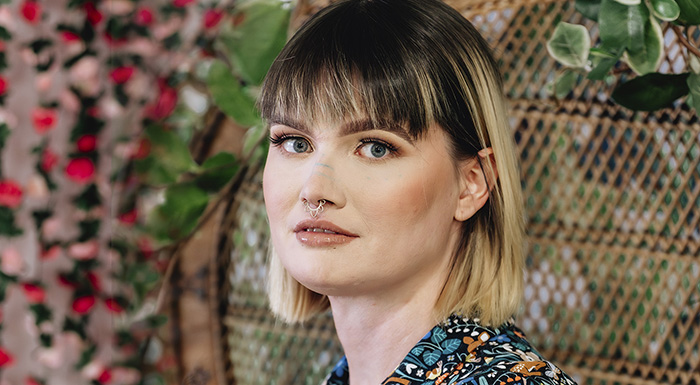
Scars from hairline surgery create an obvious line between your forehead and hair. This unnatural appearance becomes a constant reminder of your surgery. Scar revision with the FUT/FUE restores the seamless transition your hairline should have, making it look like you were born with it.
Style Your Hair Any Way You Want
After Dr. Sajan’s scar revision, you can finally stop planning your hairstyles around hiding scars. Pull your hair into a ponytail, wear it in an updo, or slick it back. Your scar won’t show. This freedom changes how you feel every time you look in the mirror.
Skip the Daily Cover-Up Routine
No more spending time each morning applying concealer or positioning your hair just right to hide your scar. Once your hair grows through the revised scar line, the camouflage is automatic and permanent.
Recovery and Results
Initial healing typically takes 7 to 10 days. Most patients return to work within two weeks and resume full activity after about one month.
Hair growth begins around three to four months, with noticeable coverage by six months. Final results develop over 12 to 18 months as the hair matures in density and texture.
As transplanted follicles come from areas resistant to hair loss, the results are permanent. The hair can be cut, colored, and styled normally.
Who Should Consider This Procedure?
- You’ve Had Previous Hairline Surgery: You are a candidate for revision if a prior forehead reduction or hairline lowering left a visible scar, regardless of how long ago the first surgery was.
- Your Scar Is Fully Healed (12+ Months): Scar revision is best performed at least 12 months post-surgery when the scar is mature for optimal tissue and predictable healing.
- You Have Realistic Expectations: The goal is significant improvement, with most patients achieving nearly invisible scars as hair regrows, but perfect elimination is not guaranteed.
Dr. Sajan's Expertise in Hairline Scar Revision
FUE and FUT hair transplantation for scar revision sound straightforward in concept, but they demand precise surgical technique, artistic vision, and a deep understanding of feminine aesthetics. Dr. Sajan has refined these methods through years of performing hairline procedures and scar revisions specifically for transgender individuals. He understands exactly how to angle each follicle placement based on your natural hair growth pattern, hair density, scalp characteristics, and the unique requirements of creating an authentically feminine hairline.
Furthermore, Dr. Sajan is one of the most renowned plastic surgeons in the world, who has performed over 5,000 Feminizing Surgeries. His expertise in this field makes him the most trusted surgeon for transgender individuals in the United States. He has been awarded by major entities and featured on major news outlets such as CNN, NBC, Cosmopolitan, and the National Enquirer.
Patients who come to Dr. Sajan after unsuccessful revisions elsewhere often have scars from techniques that didn’t properly account for the specific needs of transgender feminization or hair growth patterns. FUE and FUT techniques correct these problems by working with the body’s natural healing process and creating results that align with the feminine identity and aesthetic goals.
Move Forward Without the Reminder of Visible Scarring
Hairline scars do not have to define appearance or limit hairstyle choices. With advanced FUE and FUT scar revision, Dr. Javad Sajan helps transgender individuals achieve a softer, more natural hairline that supports facial feminization goals. A consultation is the first step toward renewed confidence.
Contact Feminization Surgeries now to book a personalized assessment and start a journey toward a naturally beautiful hairline.
FAQ
Most patients should wait at least 12 months after their original surgery. This allows the scar to fully mature and stabilize before revision. Performing scar revision too early can affect healing and final results. Dr. Sajan can confirm the appropriate timing during a consultation.
Yes. When FUE or FUT hair transplantation is used, hair follicles are placed directly into and along the scar tissue. These follicles establish blood supply and begin producing hair, which grows through the scar and helps camouflage it. New growth typically begins around three months, with noticeable coverage by six months.
In most cases, scars become very difficult to see once transplanted hair grows in. FUE and FUT techniques use your own hair to naturally break up and conceal the scar line. While complete invisibility cannot be guaranteed, most patients experience a significant improvement in scar appearance.
Initial healing usually takes 7 to 10 days. Most patients feel comfortable returning to work within two weeks and resuming strenuous activity after about one month. Final results continue to improve over 6 to 12 months as the scar matures and transplanted hair grows.
Yes. Hairline scar revision using FUE or FUT is often combined with other facial feminization or hair restoration procedures. This approach can reduce overall recovery time and address multiple concerns in a single surgery.
Cost varies based on the size, location, and complexity of the scar. Dr. Sajan provides personalized pricing during consultation, and financing options are available through Feminization Surgeries.
As with any surgical procedure, risks include infection, bleeding, and the possibility of scar widening. These complications are uncommon when FUE and FUT techniques are performed by an experienced surgeon. All risks and expectations are discussed in detail during consultation.
FUT and FUE allow natural hair follicles to be transplanted directly into scar tissue, providing permanent coverage and natural camouflage. These techniques restore density along the hairline and create a softer, more natural transition between the forehead and hairline, which is especially important for facial feminization.
Yes. FUE and FUT hair transplantation can be effective for straight, wavy, curly, and coiled hair. Surgical planning, graft selection, and placement are adjusted based on hair texture and density to ensure natural growth and consistent coverage.
Allure Esthetic Plastic Surgery

600 Broadway Suite 320 G
Seattle, WA 98122