📅 Complimentary Surgery Consultations Available with Our Physician Assistant – Schedule Today →
WE ACCEPT ALL PRIVATE INSURANCES
Facial structure shapes how others perceive gender, often within fractions of a second. For many transgender women and gender-diverse individuals, certain facial features may not reflect who they truly are. Facial feminization surgery offers a path toward alignment between appearance and identity.
At Feminization Surgeries, Dr. Javad Sajan works with patients throughout Massachusetts and across the country who seek facial feminization surgery. As a triple board-certified cosmetic surgeon specializing in gender-affirming procedures, Dr. Sajan approaches each case individually.
What is Facial Feminization Surgery & How Does It Work?
Facial feminization surgery refers to a group of procedures that modify facial features traditionally associated with masculine appearance. The surgery can address bone structure, cartilage, skin, and soft tissue throughout the face and neck.
FFS can address facial features commonly associated with a more masculine appearance. Depending on the patient’s anatomy, treatment may involve the forehead and brow, nose, cheeks, lips, jaw, chin, hairline, or neck.
Facial feminization surgery works by modifying these structural elements. Bone can be reshaped or reduced. Soft tissue can be repositioned or augmented. The procedures aim to create facial proportions that read as more feminine to others.
What Procedures are Included in Facial Feminization Surgery
Facial feminization surgery combines multiple procedures based on individual needs. Here are the primary areas that FFS can address.
Forehead and Brow Contouring
The forehead and brow region often represents the most significant area for facial feminization. Masculine foreheads typically feature a prominent brow ridge that creates a heavy appearance above the eyes. The forehead itself may appear flat or slope backward.
Brow bone reduction involves reshaping this ridge to create a smoother contour. In some cases, the surgeon removes a section of bone covering the frontal sinus, reshapes it, and secures it back in place. This approach, sometimes called forehead reconstruction or type 3 forehead contouring, allows for more dramatic changes when needed.
Forehead contouring softens the overall shape, creating a more rounded appearance. The orbital rims, which are the upper bones of the eye sockets, may also be reduced slightly to maintain balance between the eyes and forehead.
A brow lift often accompanies forehead work. Feminine eyebrows typically sit higher on the face, at or above the brow bone. Lifting the brows creates a more open, alert appearance around the eyes.
Hairline Feminization
Hairline position affects how the forehead appears. Masculine hairlines often sit higher on the head and may recede at the temples, creating an M-shaped pattern. Feminine hairlines typically sit lower and form a more rounded shape.
Hairline feminization, also called scalp advancement, moves the hairline forward by removing a strip of skin from the forehead. This reduces forehead height and creates a more feminine proportion between the hairline and brows.
For patients with significant hairline recession, hair transplantation may be considered either alone or combined with scalp advancement. Transplanted hair can fill in temple areas and create a more rounded hairline shape.
Rhinoplasty
The nose sits at the center of the face and significantly influences overall appearance. Masculine noses tend to be larger and wider, with a more prominent bridge. Feminine noses are typically smaller with a narrower bridge and a more refined tip.
Feminizing rhinoplasty reshapes the nose to create proportions that complement other facial features. The bridge may be lowered to remove a hump or straightened to create a smoother profile. The tip can be refined and slightly rotated. The nostrils may be narrowed.
The nose must work in harmony with the forehead and chin. Changing forehead projection affects how the nose appears in profile. A skilled surgeon considers these relationships when planning a rhinoplasty as part of a larger FFS procedure.
Cheek and Midface Procedures
Cheek prominence differs between masculine and feminine faces. Feminine cheekbones often appear higher and more projected, creating a heart-shaped facial appearance. Masculine midfaces may appear flatter.
Cheek augmentation adds volume to the midface area. This can be accomplished with implants or fat transfer. The goal is creating fullness that balances the upper and lower face while enhancing feminine contours.
Fat transfer uses a patient’s own fat harvested from another body area. The fat is processed and injected into the cheeks to add volume. This approach provides natural-feeling results since it uses the patient’s own tissue.
Lip Lift and Lip Enhancement
The distance between the nose and upper lip tends to be shorter in feminine faces. A lip lift shortens this distance by removing a small amount of skin just below the nose. The procedure also slightly increases the visible portion of the upper lip.
Lip enhancement adds volume to create fuller lips. This can be accomplished with injectable fillers or fat transfer. Fuller lips with more visible pink tissue create a softer, more feminine appearance.
These procedures are relatively minor compared to bone work but can significantly affect the overall outcome of facial feminization.
Jaw and Chin Feminization
The lower face often carries strong masculine characteristics. Masculine jaws tend to be wider with more pronounced angles at the back corners. Masculine chins may be wider, taller, and more squared.
Jawline feminization reduces the width of the jawline by shaving bone along the lower jaw and at the angles. This creates a narrower, more V-shaped lower face. The goal is softening harsh angles while maintaining natural jaw definition.
Chin feminization reshapes the chin to appear narrower and more pointed. The procedure may reduce chin height, width, or projection depending on individual anatomy. Sometimes the chin needs augmentation rather than reduction to create proper facial balance.
Jaw and chin procedures work together. Changing one affects how the other appears. Surgical planning considers both areas as a unit.
Tracheal Shave
The Adam’s apple, formed by thyroid cartilage in the neck, is a distinctly masculine feature. Transgender women often find this feature particularly distressing because it is visible and difficult to conceal.
A tracheal shave reduces the prominence of the Adam’s apple by shaving down the cartilage. The procedure cannot completely remove the structure without risking damage to the vocal cords, but it can significantly reduce visible projection.
This relatively quick procedure is often combined with other FFS surgeries. On its own, it typically takes less than an hour.
How Is a Facial Feminization Plan Created?
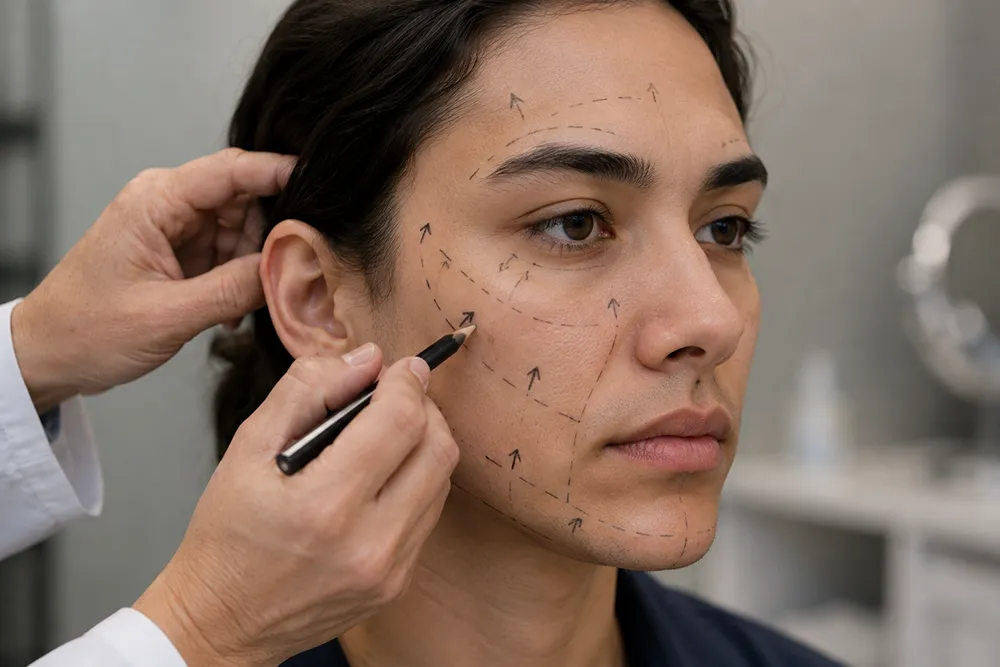
Facial feminization surgery is planned around the features a patient wants to change. The goal is not to perform the same set of procedures on every patient, but to decide which changes make sense for the individual face.
The consultation begins with a conversation about the patient’s goals and the features they would like to address. The surgeon then examines the forehead, brow, nose, cheeks, lips, jaw, chin, and neck, assessing facial shape, proportions, bone structure, and soft tissues.
Photos are taken during the evaluation, and imaging may be used when more detail about the facial bones is needed. This can help with planning procedures involving the forehead, jaw, or chin.
Some patients may need one procedure, while others may benefit from several procedures during the same surgery. If a treatment plan involves extensive work, procedures may be performed separately.
Who Is a Good Candidate for Facial Feminization Surgery?
FFS may be considered for adults who want to change facial features they associate with a masculine appearance. During the consultation, the surgeon reviews:
- The patient’s facial features and treatment goals
- Medical history and current medications
- Previous facial surgery or other treatments
- Overall health and ability to undergo surgery and anesthesia
- Nicotine use, which can affect healing
- The procedures that may address the areas of concern
The right procedures are chosen based on the features the patient wants to change and the overall look they hope to achieve.
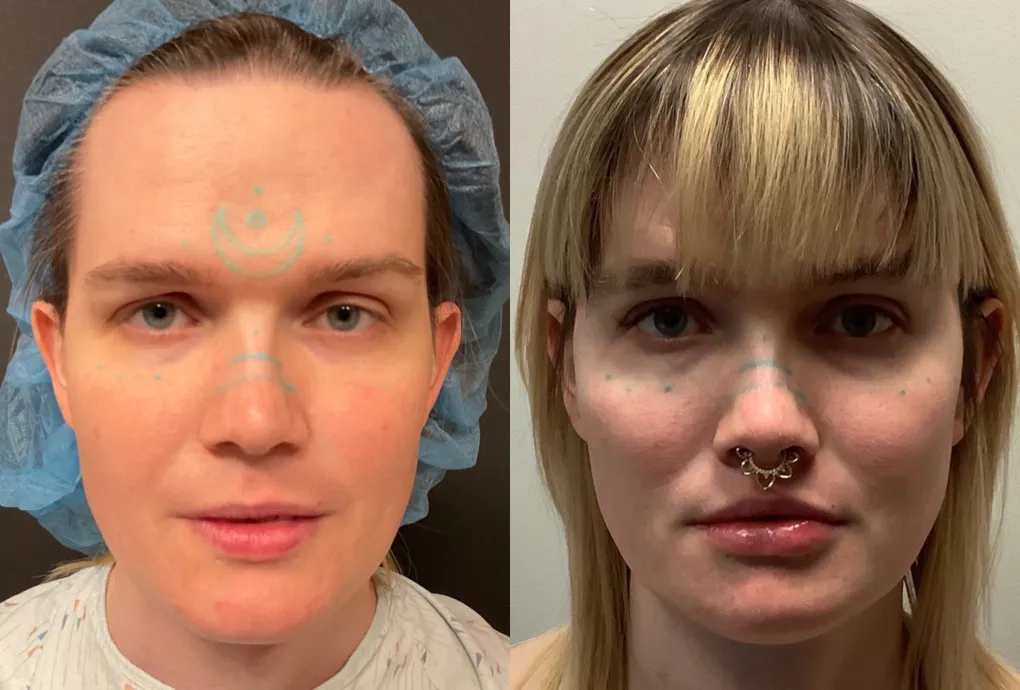
Facial Feminization Surgery Before and After Results
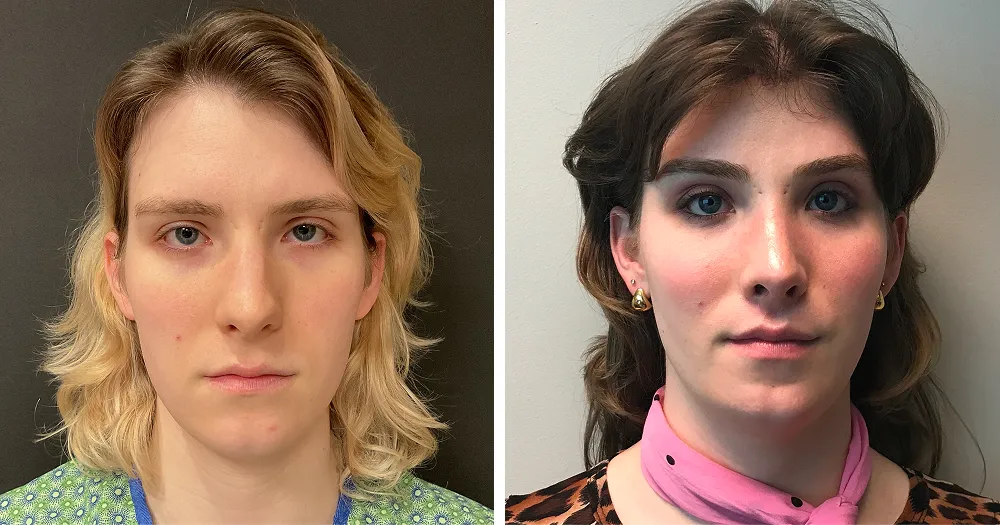
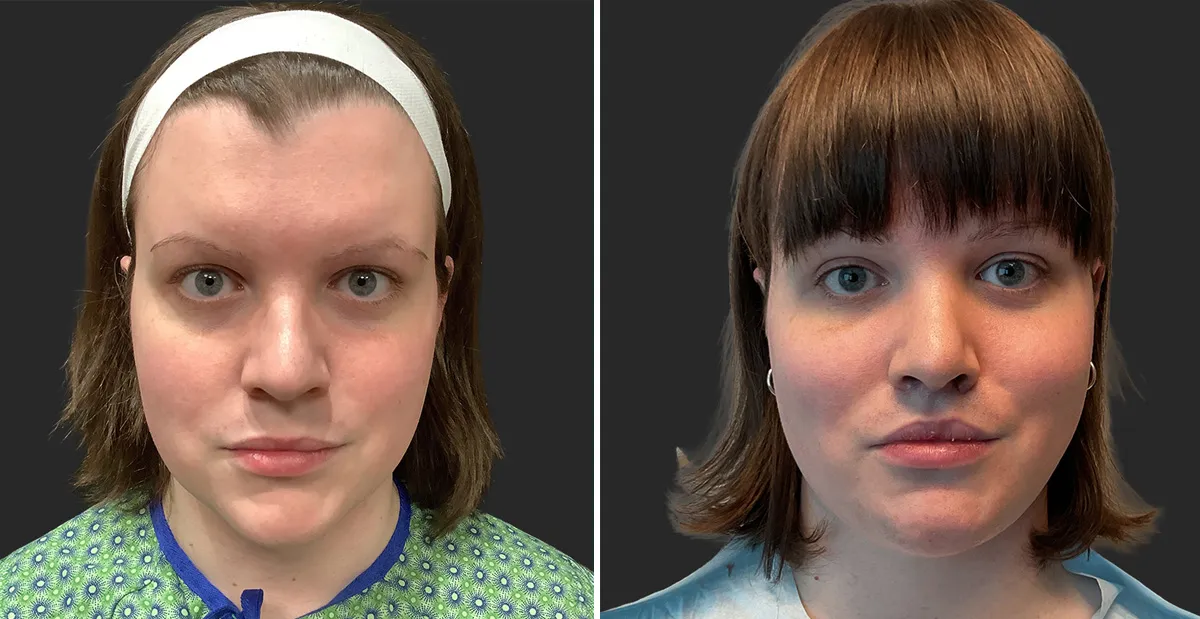
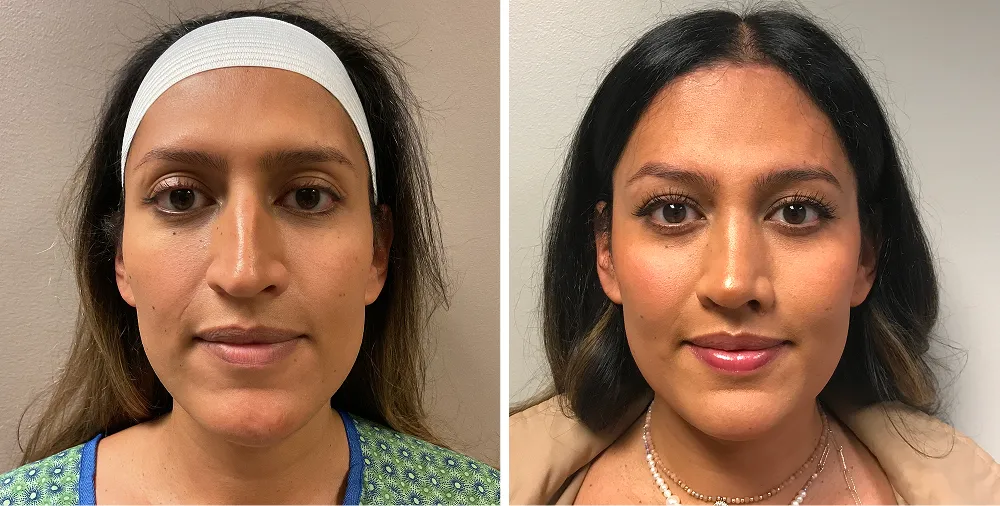
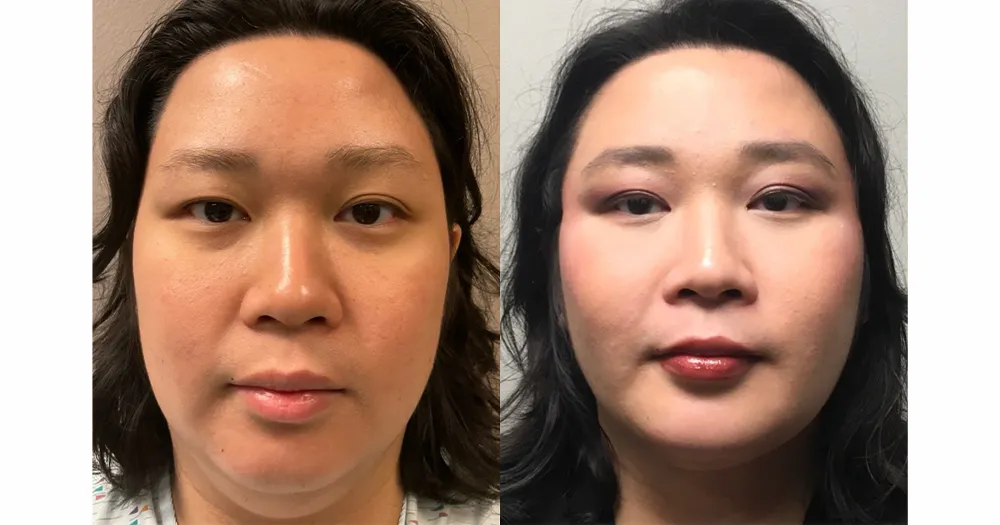
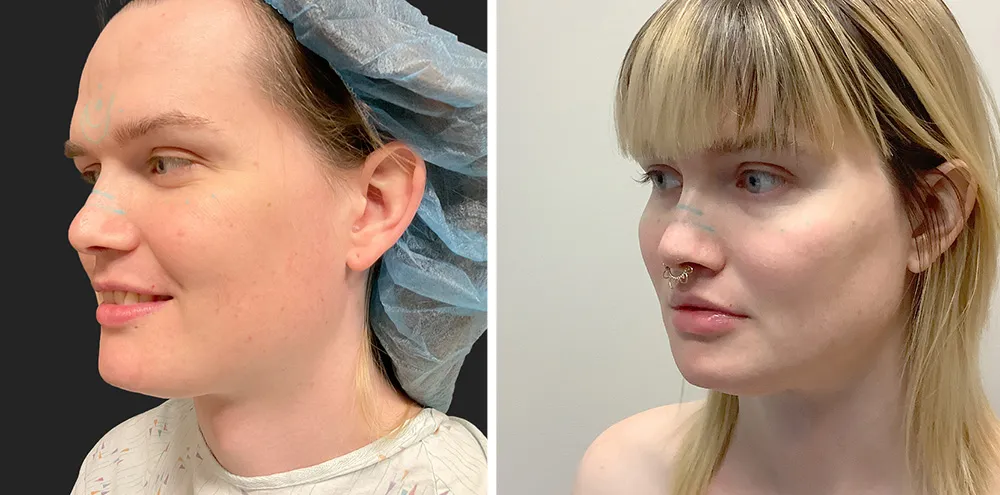
Reviewing facial feminization surgery before and after photographs helps patients understand potential results. These images show real changes achieved through surgery and demonstrate the variability among patients.
When examining facial feminization surgery before and after photos, consider:
Forehead and brow
Reduction in brow ridge prominence and changes in forehead contour.
Hairline
A lower or more rounded hairline after scalp advancement or hair restoration.
Nose
Changes in bridge height, tip shape, projection, or overall size.
Cheeks
Increased volume or projection in the midface.
Lips
Changes in upper lip length, shape, or volume.
Jaw
Reduced width or prominence along the lower face.
Chin
Changes in width, height, projection, or overall shape.
Facial balance
How the treated areas relate to one another after surgery.
Results vary because each patient has different anatomy and undergoes different procedures. Before-and-after photos show what is possible, not what is guaranteed.
Facial Feminization Surgery Recovery Timeline
Recovery from FFS follows a general timeline, though individual experiences vary based on the procedures performed.
First Week
The first week involves the most significant swelling and bruising. The face may appear dramatically different from the final result due to fluid accumulation. Pain and discomfort are common and managed with prescribed medications.
Patients cannot drive during this period and require assistance with daily activities. Many patients prefer to stay near the surgical facility for close monitoring.
Weeks Two Through Four
Bruising fades significantly during this period. Swelling begins to decrease, though the face still appears puffy. Most patients feel comfortable returning to light social activities or remote work by the end of this phase.
Follow-up appointments monitor healing progress. Sutures may be removed during this period depending on the procedures performed.
Months Two and Three
Facial contours become increasingly visible as deeper swelling resolves. Patients often notice their results improving week by week during this period.
Some numbness or altered sensation may persist, particularly in areas where bone work was performed. This typically improves gradually over several months. Most activity restrictions are lifted during this period, though contact sports and activities with a risk of facial injury may still be limited.
Months Six Through Twelve
Final results emerge as remaining swelling resolves completely. Soft tissue settles into its new position. Nasal changes from rhinoplasty continue maturing, with the final nose shape often not apparent until one year after surgery.
Most FFS incisions are placed in inconspicuous locations or within the hairline, making them difficult to notice once fully healed. Facial feminization surgery recovery requires patience. The face continues changing for many months after surgery.
Facial Feminization Surgery Cost Boston, MA
Facial feminization surgery cost varies significantly based on individual treatment plans. No two patients receive the same procedures, so no two patients face the same cost.
Factors that influence pricing include:
Number of procedures
Combining four or five procedures costs more, but doing them together can reduce facility and anesthesia fees.
Surgical complexity
Extensive bone work, such as forehead reconstruction or comprehensive jaw reduction, requires more operative time and specialized techniques.
Operating time
Longer procedures increase surgeon, anesthesia, and facility fees.
Anesthesia fees
Based on total procedure length and anesthesia type.
Surgical facility
Accredited surgical centers have associated costs for equipment, staff, and safety measures.
Imaging and planning
CT scans and three-dimensional planning tools may add to preoperative costs.
Postoperative care
Follow-up visits, supplies, and aftercare support contribute to the total cost.
Travel and accommodation
Patients traveling to Boston for surgery need to budget for lodging and transportation.
A detailed cost estimate is provided after consultation once the specific procedures are determined.
Does Insurance Cover Facial Feminization Surgery?
Facial feminization surgery may be covered by insurance when it is considered medically necessary gender affirming care. Coverage depends on the patient’s plan and the specific FFS procedures included in the surgical plan.
Some insurance plans require prior authorization and supporting medical records or other documentation before approving surgery. Patients should contact their insurance provider to confirm which FFS procedures are covered, any authorization requirements, and any out-of-pocket costs.
At Feminization Surgeries, the team works with private insurance providers and can help patients understand the insurance process and provide documentation needed for coverage determination. For patients who choose to self-pay, financing options are available through CareCredit, Alphaeon Credit, and United Medical Credit.
How to Choose a Facial Feminization Surgeon?
Selecting a surgeon for facial feminization Boston MA requires careful consideration. The surgeon’s experience and approach significantly affect outcomes.
Board certification and training: Review the surgeon’s current board certifications and surgical training.
FFS experience: Look for experience performing the specific procedures included in the treatment plan.
Bone surgery experience: Forehead, jaw, and chin procedures can involve reshaping facial bones and require specialized surgical skills.
Before-and-after results: Review photographs of patients who have undergone similar procedures.
Range of procedures: A surgeon who performs several FFS procedures can evaluate how different areas of the face may be treated together.
Revision experience: Ask how the surgeon approaches revision surgery when additional treatment is needed.
Surgical facility: Confirm where surgery is performed and what safety standards are in place.
Postoperative care: Ask about follow-up appointments and how postoperative concerns are handled.
Experience working with transgender and gender diverse patients can also be important because FFS involves both physical changes and highly personal treatment goals.
Dr. Javad Sajan's Experience With Facial Feminization Surgery
Dr. Javad Sajan is a triple board-certified cosmetic surgeon who specializes in gender-affirming procedures including facial feminization surgery. His practice focuses specifically on serving transgender and gender-diverse patients.
Dr. Sajan’s training includes specialized fellowship education in facial feminization techniques. He performs the full range of FFS procedures, including forehead contouring, hairline lowering, rhinoplasty, jaw and chin feminization, and tracheal shave.
Dr. Sajan has contributed to published research in peer-reviewed medical journals and serves as an international lecturer, sharing surgical techniques with medical organizations. He also participates in humanitarian medical missions.
Patients travel to Dr. Sajan from throughout Massachusetts, including Boston, as well as from across the country. The practice offers virtual consultations for patients who cannot easily travel for initial appointments.
What to Expect at Your Facial Feminization Boston MA Consultation
A facial feminization Boston MA consultation begins with a discussion of the patient’s goals, concerns, and desired changes. The surgeon then evaluates the facial features and reviews the medical history to determine which procedures may be appropriate.
The consultation typically covers:
- Gender-affirming goals: The facial features of concern and the changes the patient hopes to achieve.
- Facial examination: Assessment of the forehead, brow, nose, cheeks, lips, jaw, chin, and neck.
- Medical history: Current medications, allergies, previous surgeries, and relevant health information.
- Previous procedures: Any facial surgery, fillers, or other treatments that may affect surgical planning.
- Photos and imaging: Photographs and, when needed, imaging to assess facial structure and plan procedures involving the bone.
- Surgical plan: Recommended procedures and whether multiple procedures can be performed during the same surgery.
- Risks and recovery: Expected recovery time, activity restrictions, possible complications, and postoperative care.
- Cost and insurance: Estimated surgical costs, what the estimate includes, and potential insurance coverage.
The facial feminization Boston consultation also provides time to discuss expected outcomes and ask questions before making decisions about surgery.
Questions to Ask During the Consultation
- Which procedures are recommended for the desired changes?
- Can the procedures be performed during the same surgery?
- Which procedures involve bone work?
- How long is the expected recovery?
- When should final results become visible?
- Where will the incisions and scars be located?
- What happens if revision surgery becomes necessary?
- What costs are included in the surgical estimate?
- Does insurance cover any part of the treatment?
Facial Feminization Surgery Boston Massachusetts Risks and Safety
Facial feminization surgery has risks, as with any operation. The risks can vary depending on the procedures involved, the extent of the surgery, and the patient’s health.
FFS possible risks include:
- Bleeding
- Infection
- Swelling and bruising
- Scarring
- Numbness or changes in sensation
- Facial asymmetry
- Anesthesia-related complications
- Wound healing problems
- Revision surgery
Bone procedures can have different risks from procedures that involve only soft tissue. Medications, existing health conditions, and other factors can also affect healing and recovery.
What Facial Feminization Results Can You Expect From FFS?
FFS can change facial features, contributing to a more masculine appearance. The changes depend on the procedures performed.
Possible changes include:
- Forehead and brow: A less prominent brow ridge and a smoother forehead contour.
- Hairline: A lower or more rounded hairline when scalp advancement or hair restoration is performed.
- Nose: Changes to the bridge, tip, nostrils, size, or projection.
- Jaw and chin: A narrower jaw, reduced jaw angles, or changes to chin width, height, and projection.
- Cheeks: Added volume or projection when cheek augmentation is performed.
- Lips: A shorter upper lip area or increased lip volume after a lip lift or enhancement.
The face will continue to change as swelling decreases and the tissues heal.
Traveling to Boston for Facial Feminization Surgery
Patients travel from throughout Massachusetts and across the country for facial feminization Boston surgery. Planning for travel logistics helps ensure a smooth experience.
Initial consultation
Virtual consultations allow patients to discuss goals and preliminary planning without traveling to Boston. An in-person examination is typically required before finalizing the surgical plan.
Surgery planning
Once the surgical plan is established, the surgery date can be scheduled. Patients should plan to arrive in the Boston area at least one day before surgery.
Length of stay
Most patients need to remain near the surgical facility for at least one to two weeks after surgery. This allows for initial follow-up appointments and ensures patients are healing appropriately before traveling home.
Transportation
Patients cannot drive themselves home after surgery. A support person should accompany patients for at least the first several days.
Accommodation
Hotels or short-term rentals near the surgical facility provide convenience for follow-up appointments. The practice can suggest nearby options.
Follow-up care
Initial follow-up appointments occur within the first two weeks. Additional appointments may be scheduled at intervals over the following months. Some follow-up can be conducted virtually for patients who have returned home.
When to travel home
Clearance to travel depends on the procedures performed and individual healing. Air travel is permitted once cleared by the surgical team, usually within two weeks for most patients.
Support person
Having someone available to help with daily activities during early recovery is essential. This person should plan to stay for at least the first week.
The Feminization Surgeries team assists with travel coordination and can answer questions about logistics for out-of-town patients.
Schedule a Facial Feminization Boston Consultation with Feminization Surgery
Facial feminization surgery involves decisions about both surgical technique and the features being addressed. A consultation provides an opportunity to review the face, discuss treatment options, and develop a surgical plan.
Patients considering facial feminization surgery from Boston, Massachusetts can schedule a consultation with Dr. Javad Sajan at Feminization Surgeries.
Virtual consultations are available for patients who cannot easily travel for an initial appointment. Call (206) 990 0060 to schedule a consultation.
FAQ
Facial feminization surgery is a collection of procedures that reshape facial features to appear more feminine. It can include work on the forehead, brows, nose, cheeks, lips, jaw, chin, and neck. The specific procedures depend on individual anatomy and goals.
Cost varies based on which procedures are performed. Comprehensive facial feminization surgery typically ranges from $35,000 to $70,000 or more. A specific estimate is provided after consultation once the surgical plan is determined.
Initial recovery takes two to four weeks before most patients feel comfortable with social activities. Swelling continues resolving for several months. Final results typically appear between six months and one year after surgery.
Common procedures include forehead contouring, brow bone reduction, brow lift, hairline lowering, rhinoplasty, cheek augmentation, lip lift, jaw contouring, chin reshaping, and tracheal shave. Each patient receives an individualized combination.
Yes. Most patients have multiple procedures performed during a single surgical session. This reduces overall recovery time compared to separate surgeries. Very extensive plans may occasionally be divided into stages.
Many insurance plans now cover facial feminization surgery as medically necessary gender-affirming care. Coverage varies by plan and procedure. Prior authorization and documentation are typically required. Patients should verify benefits with their specific insurer.
Bone changes are generally permanent. Soft-tissue changes age naturally over time, similar to how any face ages. Overall, feminization is long-lasting, though facial features continue to change with normal aging.
Yes. Revision surgery can address concerns about initial results or make additional changes. However, the goal is achieving satisfactory results with the initial surgery. Revision rates depend on procedure type and individual factors.
Consider board certification, specific FFS training and experience, before-and-after results, the range of procedures performed, facility accreditation, and the surgeon’s approach to individualized planning. Experience with transgender patients is also important.
Yes. Patients travel from across the country for facial feminization surgery. Virtual consultations, travel coordination assistance, and follow-up planning make the process manageable for out-of-town patients.