📅 Complimentary Surgery Consultations Available with Our Physician Assistant – Schedule Today →
WE ACCEPT ALL PRIVATE INSURANCES
Facial structure can influence how others perceive gender, sometimes within moments. For transgender women, nonbinary individuals, and others seeking a more feminine appearance, certain facial features may not reflect how they see themselves. Facial feminization surgery can address these features to create a more feminine facial appearance.
At Feminization Surgeries, Dr. Javad Sajan works with patients seeking facial feminization surgery from Walnut Creek, across California, and throughout the country. Treatment may involve the forehead, brow, nose, cheeks, lips, chin, jawline, or neck, depending on each patient’s facial structure and goals.
What Does Facial Feminization Surgery Walnut Creek Involve?
Facial feminization surgery Walnut Creek, CA encompasses multiple procedures that address different areas of the face. The procedures available generally fall into several categories based on the facial region being addressed.
Forehead and Brow Procedures
The forehead and brow area often presents noticeable differences between traditionally masculine and feminine faces. Masculine foreheads tend to have a more prominent brow ridge that projects outward, while feminine foreheads usually appear smoother and more rounded.
Brow bone reduction involves carefully reshaping this prominent ridge to create softer contours. Forehead contouring helps create a more curved appearance across the upper face. A brow lift may elevate the eyebrows to sit higher on the face, which is more common in feminine presentations. In some cases, orbital contouring around the eye socket area may also be recommended to create better balance.
Hairline and Upper Face Adjustments
Hairline position can significantly affect facial proportions. Masculine hairlines often sit higher on the forehead and may show recession at the temples, creating an M-shaped pattern. Feminine hairlines typically sit lower and have a more rounded shape.
Hairline lowering or advancement procedures move the hairline forward, reducing forehead height. Hairline feminization specifically addresses the hairline’s shape and position to achieve more traditionally feminine proportions. For those experiencing hair loss or wanting fuller coverage, hair transplantation may complement these procedures.
Nose and Midface Considerations
The nose sits at the center of the face and plays a major role in overall appearance. Masculine noses often appear wider with a broader bridge, while feminine noses tend to be narrower with a more refined tip.
Feminizing rhinoplasty reshapes the nose to achieve softer proportions while maintaining natural appearance. Cheek augmentation or contouring can add fullness to the midface, creating higher, more prominent cheekbones often associated with a feminine facial structure. The goal throughout remains facial balance rather than dramatic changes to individual features.
Lips and Lower Face Reshaping
The distance between the nose and upper lip tends to be shorter in feminine faces. A lip lift procedure shortens this space while increasing the visible portion of the upper lip. Lip enhancement may add volume for a fuller appearance.
The chin and jaw area often requires careful attention. Masculine chins frequently appear wider and more squared, while feminine chins tend to be narrower with a softer V-shaped contour. Chin reshaping reduces projection and width as needed. Jawline contouring and jaw reduction procedures shave down the bone to eliminate harsh angles and create smoother, more tapered lines from the ear to the chin.
Neck Procedures
The Adam’s apple, or thyroid cartilage, is a feature primarily associated with masculine anatomy. A tracheal shave carefully reduces this prominence without affecting the vocal cords, helping eliminate a visible masculine characteristic from the neck profile.
Who May Consider Facial Feminization Surgery?
Facial feminization surgery may be considered by transgender women who want their facial appearance to better align with their gender identity.
Nonbinary people may also consider FFS when they want selected facial features to appear more feminine. Other individuals may seek facial feminization because certain facial characteristics do not match their personal appearance goals.
There is also no requirement to have a complete set of procedures. One person may focus on the forehead and brow, while another may focus on the jaw, chin, nose, or hairline.
A facial feminization Walnut Creek CA consultation helps determine which changes may make sense based on facial anatomy and the goals discussed with the surgeon.
How is Facial Feminization Surgery Customized to Your Face?
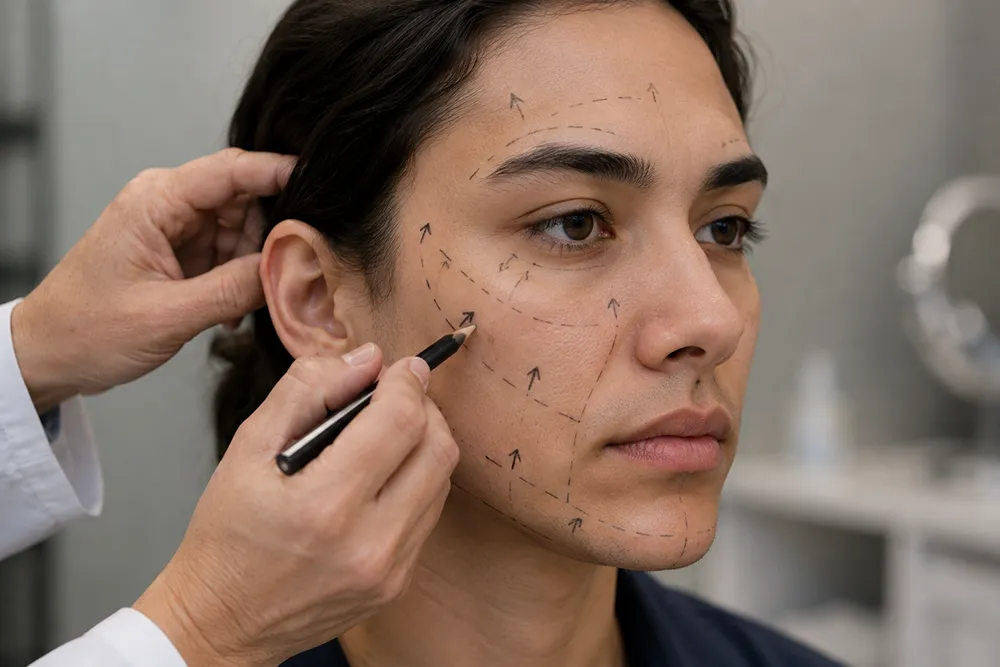
The best facial feminization surgery starts with looking at the entire face rather than treating one feature in isolation.
During FFS planning, the surgeon may assess:
- Forehead and brow shape
- Hairline position
- Nose size and proportions
- Cheek structure
- Lip shape and position
- Chin width and projection
- Jaw width and contour
- Neck profile
- Overall facial proportions
For some patients considering facial feminization surgery Walnut Creek California, a few focused procedures may be enough. Others may benefit from a more comprehensive plan that addresses several areas together.
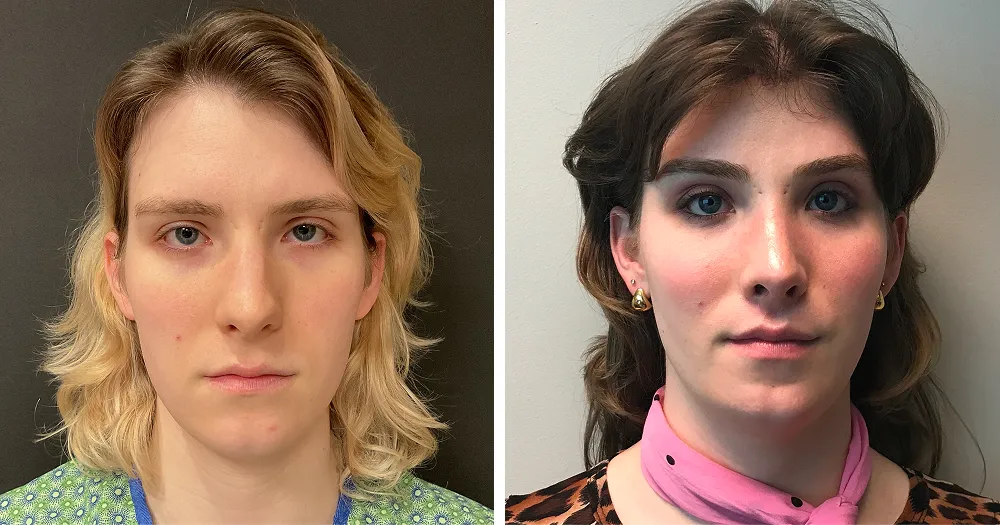
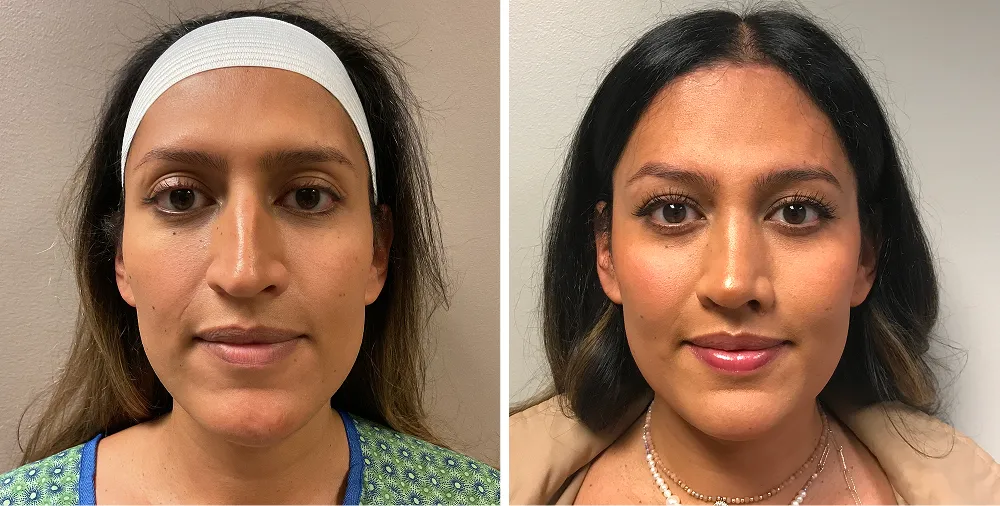
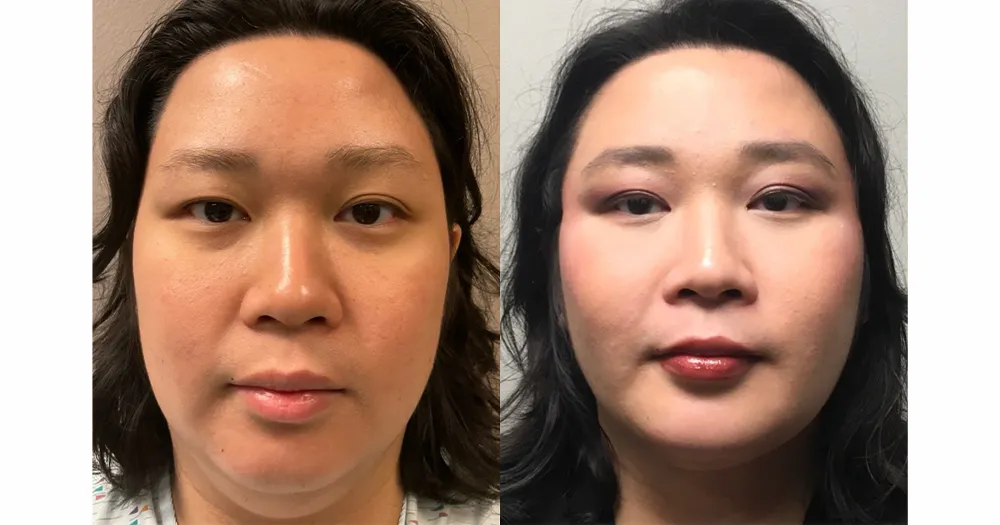
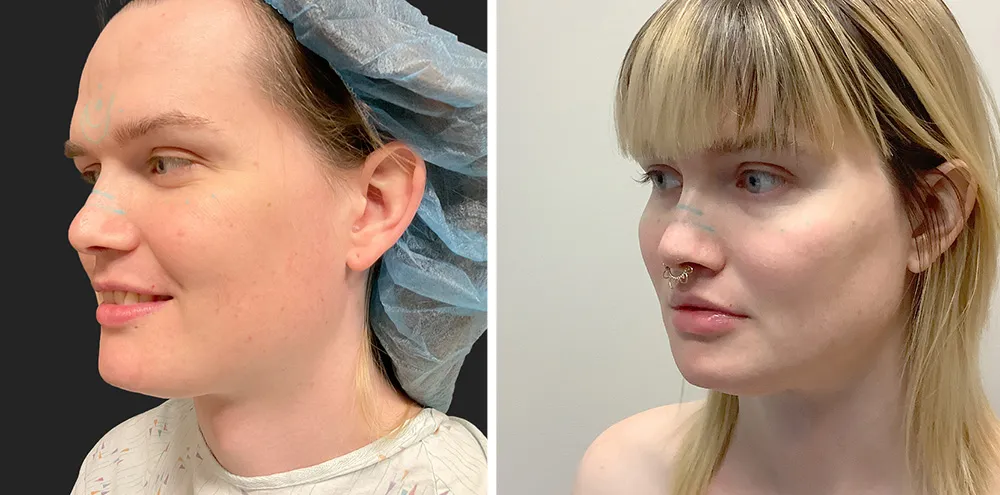
Facial Feminization Surgery Before and After Results
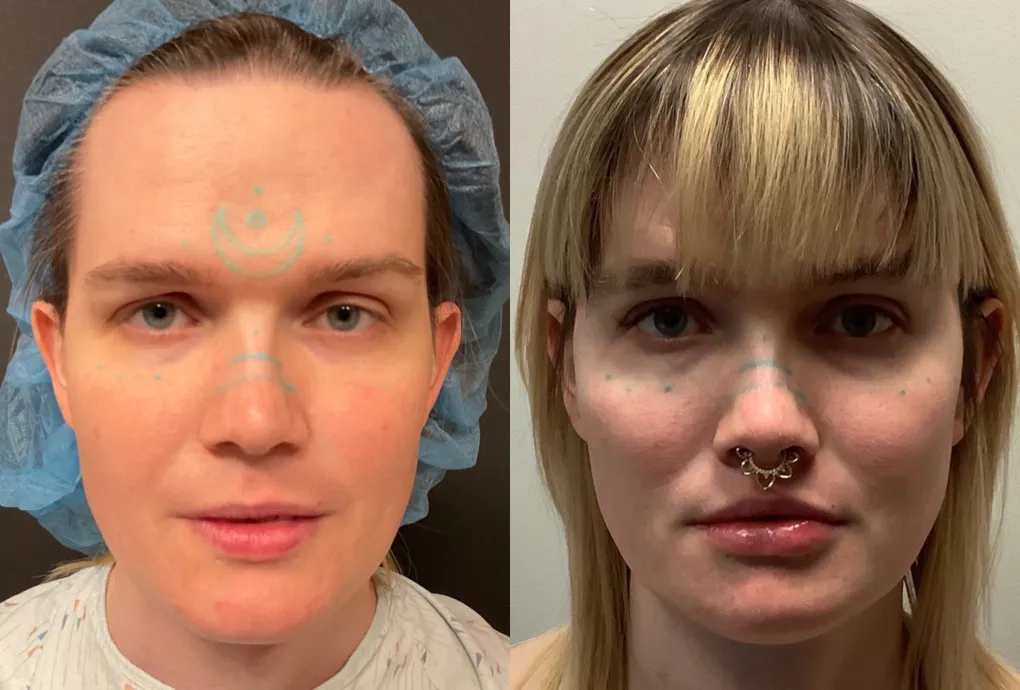
Facial feminization surgery before-and-after photographs can help when researching Facial Feminization Walnut Creek options. They can show how a surgeon approaches different facial structures and how individual procedures may work together.
Good facial feminization surgery before-and-after photographs should provide more than a dramatic comparison. Consistent lighting, similar facial positions, and similar camera angles make the comparison easier to understand.
What Happens During a Facial Feminization Surgery Consultation?
The consultation appointment serves as the foundation for treatment planning. During this visit, patients discuss their facial goals and what they hope to achieve through surgery. Being specific about concerns and desired outcomes helps surgeons understand priorities.
Medical history review covers previous surgeries, current medications, health conditions, and any factors that might affect surgical planning or safety. A facial anatomy examination allows the surgeon to assess bone structure, soft tissues, and proportions. Photographs and sometimes imaging technology help document current appearance and plan procedural approaches.
The surgeon then determines which procedures may help achieve stated goals while explaining what is realistically possible. Discussion of risks and limitations ensures patients understand potential complications and outcomes that cannot be guaranteed. Expected recovery timelines, activity restrictions, and healing processes are reviewed.
Cost and insurance coverage discussions help patients understand financial aspects and explore options. Finally, development of a personalized surgical plan puts everything together into a recommended treatment approach.
Questions to Ask an FFS Surgeon
Patients researching the best facial feminization surgeon may want to ask:
- How often do you perform facial feminization surgery?
- Which FFS procedures do you personally perform?
- Can I review before-and-after photographs of similar procedures?
- Which procedures may suit my facial structure?
- Can several procedures be combined?
- How long should recovery take for my planned procedures?
- What risks may apply to my specific treatment plan?
- What costs are included in the surgical estimate?
These questions can make it easier to compare surgeons based on experience, communication, safety, and the actual treatment plan rather than marketing claims.
How to Choose the Best Facial Feminization Surgeon
Choosing the best facial feminization surgeon involves more than looking at a website or list of credentials. Experience with FFS and gender affirming surgery is important, especially when treatment may involve both facial bones and soft tissue.
Before-and-after photos can also give a better sense of a surgeon’s work. Reviewing results from different patients can show how the surgeon approaches different facial structures and whether the results look natural and consistent.
The consultation is another important part of the decision. A good surgeon should explain which procedures may be appropriate, discuss risks and limitations, and provide clear information about costs and recovery. It is also worth asking about the surgical facility and what follow-up care is available after surgery.
For transgender and nonbinary patients, a respectful and gender affirming approach matters just as much. The right surgeon should make patients feel heard while keeping expectations realistic.
Facial Feminization Surgery Cost Walnut Creek, CA
The facial feminization surgery cost varies widely because FFS does not have a single standard set of procedures.
The final price may depend on:
- Number of procedures
- Complexity of the surgery
- Length of surgery
- Surgeon fees
- Anesthesia fees
- Surgical facility fees
- Imaging and surgical planning
- Hair transplantation, when included
- Postoperative care
- Insurance coverage
What is Included in the Cost of FFS?
An FFS estimate may contain several separate costs. The surgeon fee covers the surgeon’s professional services. Facility and anesthesia fees relate to the surgical setting and anesthesia care.
Depending on the treatment plan, other costs may include imaging, medications, postoperative visits, and additional procedures. It is worth asking for a complete estimate to ensure a clear understanding of which services are included and which may be billed separately.
Does Insurance Cover Facial Feminization Surgery?
Insurance coverage for FFS depends on the policy and the medical requirements set by the insurance company.
Some plans may cover gender affirming facial procedures when they meet the insurer’s criteria for medical necessity. Prior authorization and supporting documentation may also be required. Coverage can differ between individual procedures.
Feminization Surgeries currently states that it works with private insurance providers and helps patients with the insurance process. Patients should still confirm benefits and coverage with their insurance provider, as approval is not guaranteed.
Facial Feminization Surgery Recovery
Facial feminization surgery recovery varies based on the number and type of procedures performed.
Swelling and bruising can be noticeable during the early days. Bone procedures, rhinoplasty, and soft-tissue procedures can each have distinct healing patterns.
The first few weeks usually focus on rest, wound care, follow-up visits, and limiting activities that may interfere with healing. The exact instructions depend on the surgical plan.
Facial Feminization Surgery Recovery Timeline
First few days
Swelling and bruising may be most noticeable. Rest and limited activity are generally important during this stage.
Week 1 to 2
Early swelling may begin to decrease. Follow-up visits help the surgical team check healing and address concerns.
Weeks 3 to 4
Many patients may gradually return to more normal routines, depending on the procedures performed and how healing progresses.
Months 2 to 6
Facial contours may continue to become more defined as swelling decreases and tissues settle.
Months 6 to 12 or longer
Some areas, particularly those involving bone work or rhinoplasty, may continue to refine during this period.
Current recovery guidance from Feminization Surgeries notes that initial recovery may take several weeks, while complete healing and final changes can continue for many months.
Is Facial Feminization Surgery Permanent?
Changes made to facial bones are generally long-lasting. Bone reshaping does not work like a temporary injectable treatment.
Cartilage changes can also be long-lasting, while soft-tissue procedures continue to change naturally as the face ages. Treatments such as fillers are temporary and may require future maintenance.
Natural aging continues after FFS. Weight changes, skin changes, and other normal changes over time can also affect facial appearance.
For that reason, discussions about permanence should focus on the specific procedures included in the surgical plan rather than treating all FFS procedures uniformly.
Why Choose Feminization Surgeries for Facial Feminization?
Facial feminization requires more than selecting a list of procedures. The surgeon needs to understand how the forehead, nose, cheeks, chin, jaw, hairline, lips, and neck relate to one another.
Dr. Javad Sajan
Dr. Javad Sajan focuses on cosmetic and reconstructive surgery of the face and body and has developed a practice with a strong emphasis on gender-affirming procedures. His practice information states that he has specialized fellowship training in facial feminization techniques and performs procedures including forehead contouring, hairline lowering, rhinoplasty, jaw and chin feminization, and tracheal shave.
His professional background also includes published medical research and invitations to lecture to medical organizations.
For a medical procedure such as FFS, credentials should always be reviewed directly rather than relying only on claims made on a practice website. ASPS also recommends checking board certification and surgical training when selecting a plastic surgeon.
Facial Feminization Surgery for Patients Traveling From Walnut Creek
Feminization Surgeries is based in Seattle, Washington, rather than Walnut Creek. This distinction matters to patients seeking facial feminization surgery Walnut Creek, California, who are considering Dr. Sajan.
Patients from Walnut Creek and other Bay Area communities can begin the process through a virtual consultation. An initial virtual visit can enable discussion of goals, review of photographs, learning about possible procedures, and start of treatment planning before traveling.
For patients traveling to Seattle, the practice currently advises out-of-area patients to arrive one to two days before surgery. Following surgery, most patients are asked to remain in the Seattle-Tacoma area for about three to five days for follow-up care. The team also provides help with local accommodations and travel planning.
Planning should also account for the recovery period and the timing of the return trip. A personalized schedule can be discussed before surgery.
Start Planning Facial Feminization Surgery
For patients researching Facial Feminization Walnut Creek, the first step does not have to involve immediate travel.
A virtual consultation can provide an opportunity to discuss facial goals, review facial anatomy, learn which procedures may be appropriate, and understand the expected recovery and cost. If surgery is considered, the team can also discuss insurance, scheduling, travel, and follow-up arrangements.
Patients interested in Facial Feminization Surgery Walnut Creek and Facial Feminization Surgery Walnut Creek CA can begin by contacting Feminization Surgeries to arrange a consultation with Dr. Javad Sajan. Call (206) 990 0060 to schedule a consultation.
FAQ
Facial feminization surgery refers to a combination of procedures designed to reshape masculine facial features into more feminine proportions. It may include work on the forehead, brow, nose, cheeks, lips, chin, jaw, and neck. The specific procedures depend on individual anatomy and goals.
Facial feminization surgery cost vary based on which procedures are included, ranging from lower amounts for single procedures to higher amounts for comprehensive plans addressing multiple facial areas. Factors include surgical complexity, operating time, facility fees, and anesthesia. Consultations provide personalized cost estimates.
Initial social recovery typically takes two to four weeks, with most swelling and bruising subsiding during this period. Complete healing with final bone and tissue settling continues for six to twelve months or longer, depending on the procedures performed.
Facial feminization may include forehead contouring, brow bone reduction, brow lift, hairline lowering, rhinoplasty, cheek augmentation, lip lift, chin reshaping, jaw reduction, and tracheal shave. Not all patients need every procedure, and plans are customized to individual goals.
Many patients can undergo multiple FFS procedures in a single surgical session. This reduces overall recovery time compared to staging procedures separately. However, surgical duration and patient health factors influence what can be safely combined.
Bone reshaping from procedures like forehead contouring and jaw reduction is generally permanent. Soft tissue procedures may undergo natural changes with aging over many years, but structural changes typically persist. Nonsurgical enhancements like fillers require ongoing maintenance.
Many private insurance plans now cover facial feminization surgery when documented as medically necessary for treating gender dysphoria. Coverage varies between policies. California regulations generally support coverage of gender-affirming care. Checking specific policy terms and working through prior authorization processes is recommended.
Evaluate board certification, specific FFS experience, before and after results, surgical facility accreditation, patient communication, transparency about risks and costs, and follow-up care policies. Surgeons with dedicated gender-affirming surgery training and extensive facial feminization experience may offer advantages.
Initial changes become visible within the first month as swelling reduces. Significant improvement in facial contours typically appears by three months. Final results, including complete resolution of swelling and bone remodeling, generally take twelve months or longer.
Virtual consultations allow patients to discuss goals, share photographs, and begin treatment planning without initial travel. This allows Walnut Creek residents to explore options with specialists before committing to in-person appointments.