- What is FFS Swelling and Why Does It Happen?
- How Different Procedures Affect Facial Feminization Surgery Swelling
- Facial Feminization Surgery Swelling Timeline
- FFS Swelling Recovery Timeline by Specific Procedure
- What Factors Affect the FFS Swelling Timeline?
- How to Reduce Swelling After Facial Feminization Surgery
- What’s Normal During FFS Recovery vs When to Call the Surgeon
- When Should Someone Contact Their Surgeon?
- Tips for a Smooth Facial Feminization Recovery
- Why Surgical Experience Matters for Facial Feminization Surgery Recovery?
- A Patient’s Experience with FFS Recovery
- Conclusion
- Considering Facial Feminization Surgery?
- FAQs
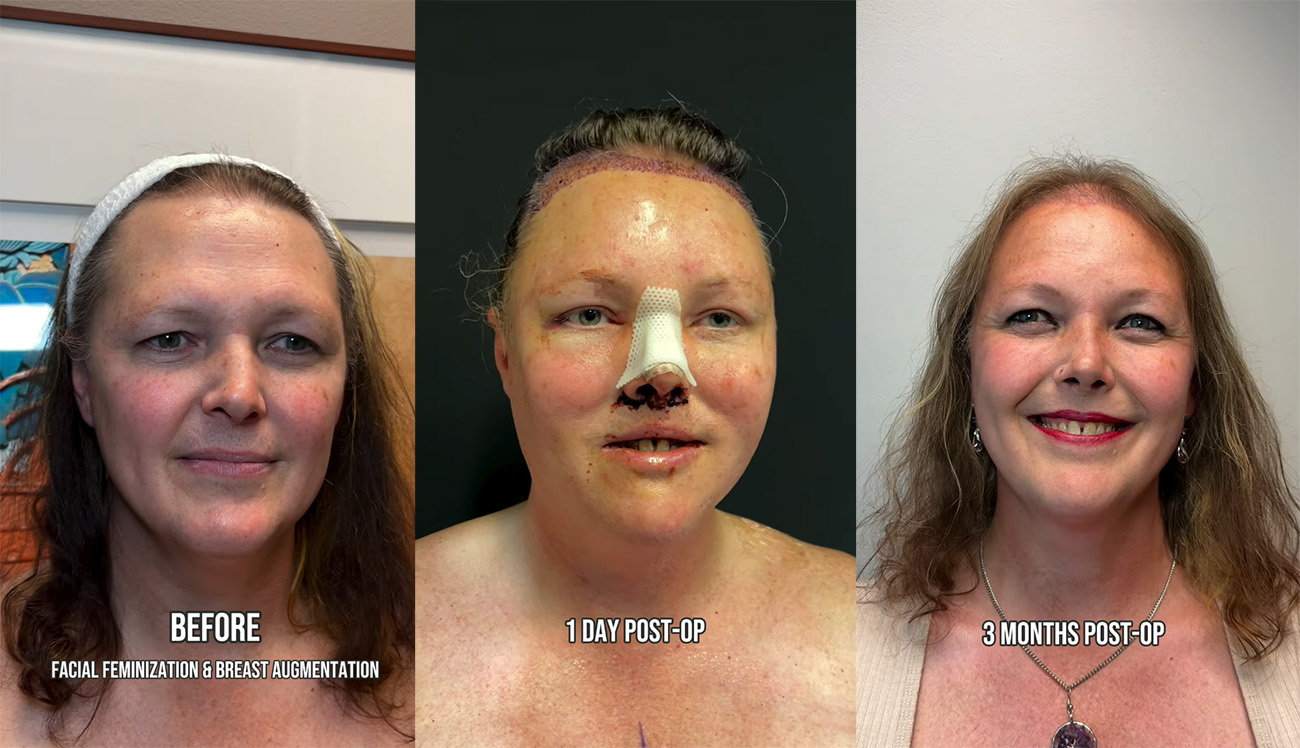
Facial feminization surgery (FFS) swelling usually follows a predictable healing timeline. Most swelling is at its worst during the first week after surgery. It slowly improves over the next few weeks, but mild swelling can last for several months. The exact recovery time depends on the procedures you have, your body’s healing process, and how closely you follow your surgeon’s recovery instructions.
Knowing what to expect at each stage can help you feel more prepared and avoid unnecessary worry. While your face may look very swollen at first, this is a normal part of healing. As the swelling goes down, your facial features become more defined and your final results gradually appear.
In this guide, you’ll learn what happens during each stage of the FFS swelling timeline, how long swelling usually lasts, what affects recovery, and simple tips that may help reduce swelling. You’ll also learn when swelling is considered normal and when it may be a good idea to contact your surgeon.
Quick Answer:
Most swelling after facial feminization surgery peaks during the first two to three days. A large portion of the puffiness improves within the first two to six weeks. However, mild swelling can stick around for several months after that. Areas like the jaw, chin, and nose often take the longest to settle fully. Final results from facial feminization may continue improving for up to 12 months, depending on which procedures were performed.
What is FFS Swelling and Why Does It Happen?
Swelling after facial feminization surgery is the body’s natural response to healing. When a surgeon reshapes bones, adjusts cartilage, or moves soft tissues, the body sends extra fluid to those areas as part of the repair process. This fluid causes the puffy appearance that many people notice in the days and weeks following surgery.
Bone remodeling, which occurs during procedures such as forehead contouring or jaw reshaping, triggers inflammation in the surrounding tissues. Soft tissue work, such as a lip lift or cheek augmentation, also causes the body to respond with fluid buildup. The lymphatic system, which normally drains excess fluid from tissues, needs time to catch up after surgery.
The amount of swelling someone experiences can vary widely from person to person. Age, overall health, the number of procedures performed, and how closely someone follows their postoperative instructions all play a role in how much swelling occurs and how quickly it goes down.
How Different Procedures Affect Facial Feminization Surgery Swelling
Each facial feminization procedure contributes to swelling in its own way. Understanding this can help set realistic expectations for what recovery might look like.
Forehead contouring involves reshaping the brow bone and sometimes the frontal sinus area. This procedure typically causes noticeable forehead reconstruction swelling around the eyes and upper face during the first week or two. Many people find that swelling in the upper face improves relatively quickly compared to other areas.
Rhinoplasty swelling after a facial procedure can take 12 months or longer to fully resolve because the nasal tissues are delicate and heal slowly. The tip of the nose is usually the last area to settle completely.
Jaw contouring can cause significant facial swelling after the procedure because it involves reshaping the lower facial bone. This area tends to hold onto fluid longer than the upper face due to gravity and the amount of tissue involved.
Chin contouring can cause swelling that may persist for several months. The lower third of the face generally takes the longest to heal because fluid naturally settles downward.
Hairline advancement causes swelling in the scalp and forehead region. Some temporary hair loss around the incision area is normal and usually grows back over time.
Lip lift and cheek procedures can cause localized swelling in the midface that typically resolves within the first few weeks, though subtle puffiness may linger longer.
Facial Feminization Surgery Swelling Timeline
| Recovery phase | What you may notice |
| First 24 hours | Grogginess, mild nausea, facial tightness, pain, and numbness are common. Bandages or compression garments may be used to help manage swelling. |
| Day 2 to 3 | Swelling often reaches its peak. Bruising may become more noticeable, and the eyes may become very swollen. |
| Day 4 to 7 | Swelling may begin to improve slightly. Bruising may start to fade, and facial movement may become easier. |
| Week 2 | Swelling starts to improve. Puffiness is still common. Light activities may resume. |
| Week 3 to 4 | Facial swelling continues to decrease. The cheeks may look softer. Many patients return to work and social activities. |
| Weeks 5 to 8 | The face begins to look more natural. Some swelling and numbness may remain. The jaw and chin may still look puffy. |
| Month 2 to 3 | Facial contours become clearer. The lower face may still be swollen after jaw contouring. The nose continues to settle after rhinoplasty. |
| Month 4 to 6 | Subtle changes continue in the face. Swelling may decrease. Scars begin to mature and fade. |
| Month 6 to 12 | Facial features continue to refine. Swelling in the jaw, chin, and nose may continue to improve. Most healing is complete around the one-year mark. |
Also Read: How Long Does Facial Feminization Surgery Take to Heal?
FFS Swelling Recovery Timeline by Specific Procedure
Forehead Contouring Recovery
Swelling duration for forehead work typically ranges from two to six weeks for most puffiness to resolve. Numbness in the scalp and forehead area is common and may take several months to improve fully. The brow generally appears more defined once the initial FFS swelling subsides.
Brow Bone Reduction Recovery
This procedure often accompanies forehead contouring and follows a similar timeline. The eye area may appear quite swollen during the first week, improving gradually over the following weeks.
Rhinoplasty Recovery After FFS
Nose swelling lasts longer than almost any other facial feminization procedure. A nasal splint is usually worn for the first week. After the splint comes off, the new shape is visible but appears swollen. Around 80 percent of swelling typically resolves by month three, with continued refinement for up to a year or longer in some cases.
Jaw Contouring Recovery
Facial swelling after jaw contouring persists longer than upper-face swelling because this area involves extensive bone work, and fluid tends to settle downward due to gravity. Full results may take 12 months to become visible.
Chin Contouring Recovery
Chin contouring swelling follows a similar pattern to jaw contouring. The lower third of the face is generally the last area to show final results. A soft food diet may be recommended for the first few weeks if incisions were made inside the mouth.
Hairline Advancement Recovery
Swelling and tightness in the scalp and forehead are common during the first few weeks. Some temporary hair loss around the incision typically grows back within three to six months. The incision scar usually becomes well camouflaged by new hair growth over time.
Lip Lift Recovery
Swelling around the upper lip area usually improves within the first few weeks. Eating and drinking may feel awkward initially but become easier as healing progresses.
Cheek Augmentation and Fat Grafting Recovery
Midface swelling from cheek procedures typically improves within the first month, though subtle puffiness may linger. If fat grafting was performed, some of the transferred fat may be reabsorbed by the body over time.
What Factors Affect the FFS Swelling Timeline?
Several factors can influence how quickly swelling resolves after facial feminization surgery.
Age plays a role because younger skin tends to have better elasticity and may recover more quickly. However, people of all ages successfully undergo facial feminization with good results.
Smoking significantly affects healing because nicotine reduces blood flow to the skin and tissues. Most surgeons recommend avoiding all nicotine products for at least six weeks after surgery.
Nutrition and hydration support the body’s healing processes. Eating protein-rich foods and drinking plenty of water can help tissues repair themselves more efficiently.
Sleep quality matters because the body does much of its healing work during rest. Getting adequate sleep and keeping the head elevated during the first few weeks help reduce swelling.
Following postoperative instructions closely can make a meaningful difference in recovery. Wearing compression garments as directed, avoiding strenuous activity, and attending follow-up appointments all contribute to optimal healing.
Combined procedures naturally extend recovery time compared to having a single procedure. When multiple areas of the face are addressed at once, the body has more healing work to do.
How to Reduce Swelling After Facial Feminization Surgery
Several evidence-based strategies can help manage swelling during facial feminization recovery.
Keep your head elevated: Sleeping with your head raised on pillows or resting in a recliner may help reduce facial puffiness by encouraging fluid to drain away from the face.
Use cold compresses as directed: Cold packs may help reduce inflammation during the first few days. Always place a cloth between the cold pack and your skin, and avoid placing pressure directly on the nose if you have had rhinoplasty.
Stay hydrated: Drinking enough water supports normal body functions and may help your body process excess fluid during recovery.
Take gentle walks: Light movement, such as walking around your home, can support circulation. Avoid strenuous activity until your surgeon clears you to resume exercise.
Limit sodium: Salty foods can contribute to fluid retention and may make swelling more noticeable. Limiting high-sodium foods during recovery may help manage fluid retention.
Avoid smoking and alcohol: Both can interfere with healing. Smoking can reduce blood flow, while alcohol may increase bleeding risks and affect recovery.
Take medications only as directed: Follow your surgeon’s instructions for prescribed medications. Do not take anti-inflammatory medications unless your surgical team recommends them, as some may increase bleeding risk.
Keep your follow-up appointments: Regular appointments allow your surgeon to monitor your healing and address any concerns during recovery.
What’s Normal During FFS Recovery vs When to Call the Surgeon
Understanding what falls within the range of normal healing and what requires medical attention can provide peace of mind during recovery.
| Normal During Recovery | Contact the Surgeon |
| Mild to moderate swelling | Sudden increase in swelling |
| Bruising that changes color over time | Severe bleeding that doesn’t stop |
| Tightness or stiffness in the face | High fever |
| Numbness in certain areas | Foul-smelling drainage from incisions |
| Uneven swelling between sides | Severe pain not improving with medication |
| Temporary difficulty with facial expressions | Difficulty breathing |
| Mild discomfort | Increasing redness spreading from incisions |
| Temporary changes in sensation | Vision changes |
When Should Someone Contact Their Surgeon?
Some symptoms are not something you should simply wait out during recovery. Contact your surgical team if you notice:
- Redness that spreads around an incision
- A fever above 101°F
- Severe pain that does not improve with prescribed medication
- Heavy bleeding that quickly soaks through your bandages
- Pus or foul-smelling drainage from an incision
- New or sudden swelling after your initial swelling has started to improve
- Difficulty breathing beyond the nasal congestion expected after rhinoplasty
- Changes in your vision
Tips for a Smooth Facial Feminization Recovery
Preparation before surgery can make recovery much easier. Setting up a comfortable recovery space with everything within easy reach eliminates the need to move around too much during the first few days. Stocking up on soft foods, medications, and supplies means fewer errands during the early recovery period.
Having support from friends, family, or professional caregivers makes a significant difference. During the first few days especially, having someone nearby to help with meals, medication reminders, and basic tasks reduces stress and allows the body to focus on healing.
Patience with the process matters tremendously. The FFS healing stages unfold gradually, and judging results in the first few weeks or even months doesn’t provide an accurate picture of the outcome. Many people experience moments of worry or doubt during recovery, and these feelings are completely normal.
Following all postoperative instructions, even when they seem minor, supports the best facial feminization surgery. These recommendations come from experience with many patients and are designed to optimize healing.
Why Surgical Experience Matters for Facial Feminization Surgery Recovery?
The skill and experience of the surgeon performing facial feminization surgery recovery can influence not only the aesthetic results but also the recovery process itself. Surgeons who specialize in facial feminization understand the unique anatomical considerations involved and use techniques designed to minimize trauma to tissues.
Dr. Javad Sajan brings years of experience with facial feminization surgery to each procedure. As a board-certified surgeon, he creates individualized treatment plans based on each patient’s facial features and personal goals. This personalized approach helps ensure that surgical techniques are tailored to each person’s anatomy, which can support smoother healing.
Careful surgical technique matters because minimizing unnecessary tissue trauma can reduce swelling and bruising. Surgeons with extensive gender affirming care experience understand the emotional aspects of recovery as well as the physical aspects, providing comprehensive support throughout the healing journey.
Ongoing postoperative follow-up allows the surgical team to monitor progress and address any concerns that arise. Regular check-ins ensure that healing stays on track and that any issues are caught early.
A Patient’s Experience with FFS Recovery
“From the very first consultation, I felt truly seen, heard, and respected—not just as a patient, but as a whole person on a deeply personal journey. Dr. Sajan brought a level of compassion, expertise, and artistry to my facial feminization surgery that genuinely changed my life.
His attention to detail and deep understanding of both the technical and emotional aspects of gender-affirming care made me feel completely safe in his hands. Every feature he worked on reflects my authentic self in a way that feels natural and harmonious. The results are beyond what I ever imagined—feminine, soft, and unmistakably me. People who have known me for years have commented on how radiant and confident I seem now, and I feel that too—every time I look in the mirror.
Recovery was smooth, and his post-op care has been exceptional. Dr. Sajan checks in, listens carefully to any concerns, and offers reassurance and clarity every step of the way. It’s clear that he takes immense pride in his work and genuinely cares about his patients’ outcomes and wellbeing.
Choosing Dr. Sajan for my FFS was the best decision I could have made. He gave me not just a new face, but the ability to move through the world with a new kind of confidence and peace I’ve never felt before.”
Conclusion
In summary, swelling after facial feminization surgery is temporary, though it requires patience to navigate. Every person heals at a different pace, and comparing one recovery to another rarely provides useful information. Following the surgeon’s instructions, attending all follow-up appointments, and giving the body time to heal are the most important factors in achieving good results.
The FFS swelling timeline varies from person to person, but swelling is usually most noticeable during the first few days. It improves over the following weeks and months. Although you may see significant changes during the first month, your face can continue to change as the tissues heal and settle. Depending on the procedures you have, it may take a year or longer to see your final results.
Considering Facial Feminization Surgery?
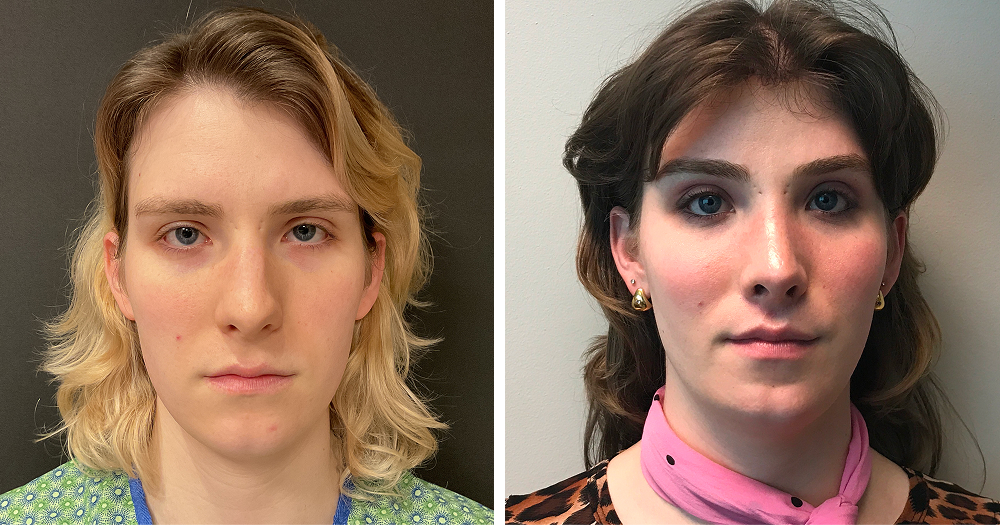
Exploring facial feminization involves understanding both the procedure itself and the recovery process. Choosing a surgeon with specialized experience in gender affirming facial surgery is an important part of the process.
At Feminization Surgeries, Dr. Javad Sajan creates personalized treatment plans based on each patient’s unique facial features and goals. Patients receive detailed guidance before surgery and continued support throughout recovery, helping them understand what to expect at every stage of the healing journey.
Contact us at (206) 990-0060 to schedule a consultation today.
FAQs
Is swelling worse after FFS than after rhinoplasty alone?
Facial feminization surgery that includes multiple procedures typically produces more overall swelling than a standalone rhinoplasty. However, the nose itself may swell similarly regardless of whether other procedures are performed at the same time. The difference is that FFS involves simultaneous swelling in multiple facial areas.
Does forehead contouring cause the most swelling?
Forehead contouring causes significant swelling, particularly around the eyes, during the first week or two. However, jaw and chin contouring often produces swelling that lasts longer because the lower face tends to retain fluid due to gravity.
Why is one side of the face more swollen than the other?
Asymmetrical swelling is very common and usually not a cause for concern. Different areas of the face heal at different rates, and one side may naturally swell more or resolve faster than the other. This typically evens out over time.
Can swelling come back months after surgery?
Swelling can fluctuate for several months after surgery. Activities that increase blood flow to the face, such as exercise, hot weather, or sleeping flat, may cause temporary increases in puffiness even after most swelling has resolved. This is usually temporary and resolves on its own.
How long does chin swelling last after FFS?
Chin contouring swelling can persist for several months and may take up to 12 months to fully resolve. The lower face generally takes the longest to show final results because of gravity and the extent of bone work involved.
When will the final feminine appearance be visible?
The facial feminization results timeline extends to about 12 months for most people. Upper-face results often become visible sooner, while the nose, jaw, and chin may take a full year to show their final shape. Some individuals continue seeing subtle improvements even beyond one year.