- What Is a Tracheal Shave?
- Understanding the Anatomy: Why Voice Changes Are a Common Concern
- Does a Tracheal Shave Affect Voice?
- What Causes Temporary Voice Changes After a Tracheal Shave?
- Can a Tracheal Shave Make Your Voice Deeper?
- Does a Tracheal Shave Make Your Voice More Feminine?
- Can a Tracheal Shave Affect Singing Voice?
- Rare Cases Where Tracheal Shave Voice Change Can Be Permanent
- Voice Recovery Timeline After Tracheal Shave
- How to Protect Your Voice During Recovery?
- How Surgeon Experience Impacts Voice Outcomes?
- Conclusion
- FAQs
Many patients ask if they will lose their voice, still be able to sing, or if a tracheal shave will change how they sound. It’s normal to have these concerns before surgery.
Most of the time, a tracheal shave does not cause lasting changes to your voice because it focuses on the thyroid cartilage, not the vocal cords. You might notice some hoarseness, throat discomfort, or changes in your voice while you heal, but these are usually temporary.
Rarely, complications can affect the voice if too much cartilage is removed. This blog explains what is trachea shave and the techniques used by surgeons
This blog explains how a tracheal shave interacts with your vocal anatomy, what temporary changes to expect during recovery, when permanent voice changes can occur and why they are rare, and how surgeon experience plays a defining role in protecting your voice throughout the procedure.
Quick Answer:
A tracheal shave usually does not cause lasting changes to your speaking voice or pitch. The surgery makes the Adam’s apple less noticeable and keeps the vocal cords safe. Some people have hoarseness, vocal fatigue, or changes in their singing range while healing, but these problems often get better over time.
What Is a Tracheal Shave?
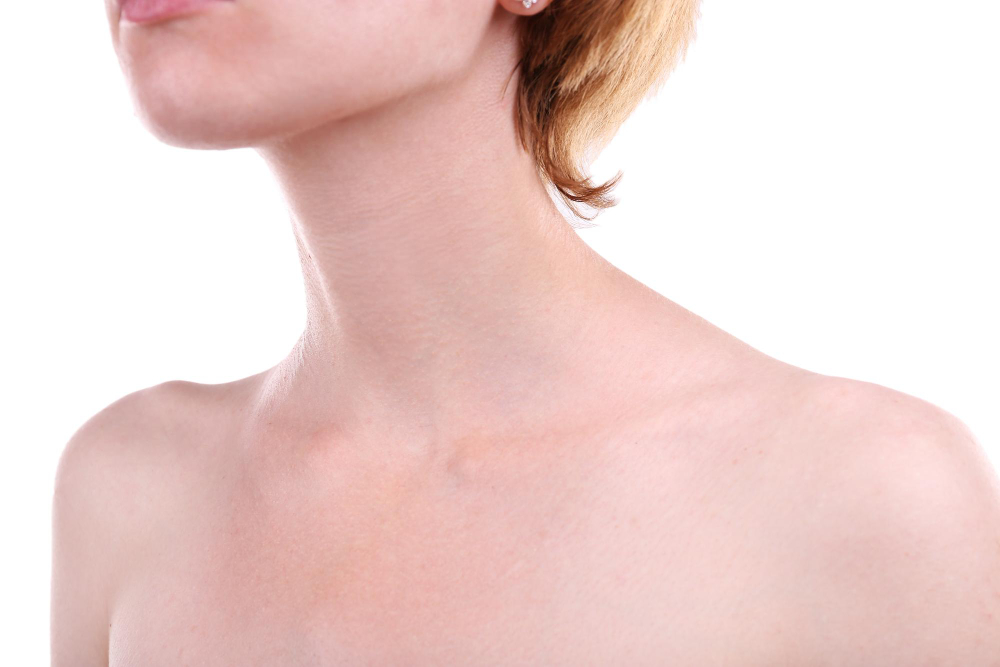
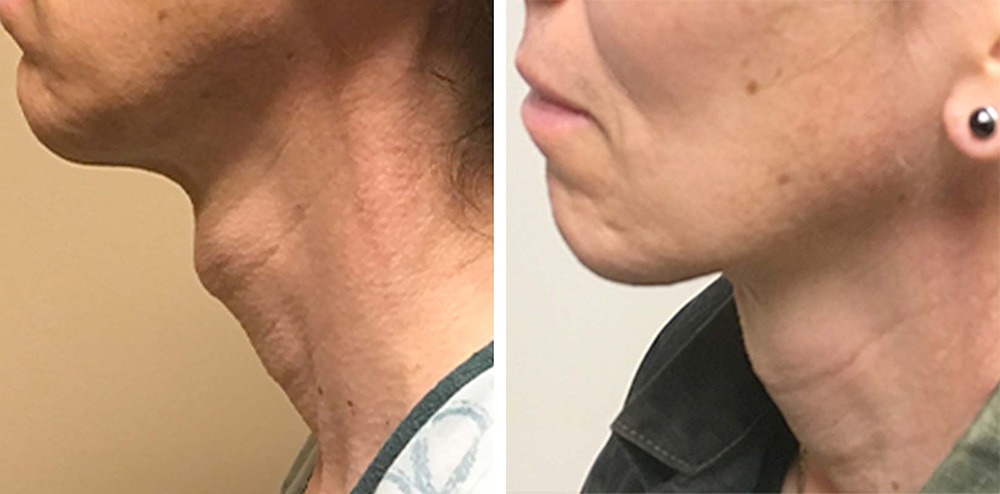
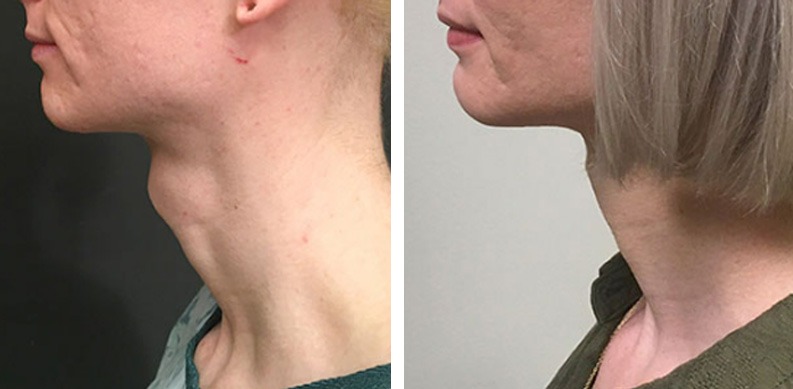
A tracheal shave, or chondrolaryngoplasty, is a surgery that makes the Adam’s apple smaller. Adam’s apple is made of thyroid cartilage at the front of your voice box. During the procedure, the surgeon removes some of this cartilage to give your neck a smoother look.
Many transgender women choose this surgery because a large Adam’s apple is seen as a masculine feature. That’s why tracheal shave is often part of facial feminization surgery.
Dr. Javad Sajan explains that a tracheal shave makes the neck look smoother and more feminine by reducing the visible thyroid cartilage, while keeping the parts needed for speech and breathing safe.
Understanding the Anatomy: Why Voice Changes Are a Common Concern
Where the Vocal Cords Actually Sit?
To see why people worry about voice changes, it’s helpful to know a bit about the anatomy. The larynx, or voice box, contains the vocal cords, which are two bands of tissue that make sound when they vibrate. The thyroid cartilage forms the outside of the larynx, and Adam’s apple is the bump you can see at the front.
The vocal cords are attached inside the thyroid cartilage. During a tracheal shave, the surgeon removes cartilage from the outside, far from where the vocal cords are connected. This careful approach helps keep the vocal cords safe.
For a deeper understanding of how the thyroid cartilage and vocal cords relate, the National Institutes of Health’s NCBI Bookshelf hosts a peer-reviewed reference on laryngeal and vocal cord anatomy that explains exactly how these structures work together.
Why Do Patients Worry About Voice Damage?
Some people rely on their voice for singing, work, or voice training. The voice is also important for gender affirmation. Because of this, it’s understandable to be concerned about voice changes before surgery.
Does a Tracheal Shave Affect Voice?
Most people do not notice any lasting change in their speaking voice after a tracheal shave. The vocal cords are not affected, so your pitch stays the same.
Some temporary symptoms can occur during recovery:
- Hoarseness, which is common in the first days after surgery
- Vocal fatigue, where the voice tires more easily for a short period
- Sore throat, often linked to swelling
- Reduced vocal endurance, making it harder to talk for long stretches
- Temporary pitch instability, which is minor and short-lived
These symptoms are caused by swelling and the healing process, not by harm to the vocal cords.
What Causes Temporary Voice Changes After a Tracheal Shave?
Post-Surgical Swelling
Swelling near the voice box is the main reason for early voice changes. As the swelling goes down, your voice usually goes back to normal.
Intubation During General Anesthesia
The breathing tube used during anesthesia can irritate the throat and vocal cords. This often causes brief hoarseness that resolves within a few days.
Muscle Tightness Around the Larynx
Surgery near the neck can lead to short-term muscle tension that affects how the voice feels.
Healing of Surrounding Soft Tissues
As soft tissue heals, the voice may feel slightly different. Patient reports consistently show these changes improve over weeks and months.
Can a Tracheal Shave Make Your Voice Deeper?
No. A tracheal shave does not make the voice deeper.
Vocal pitch depends on how long and thick the vocal cords are. A deeper voice comes from longer, thicker cords, and this surgery does not change that. The tracheal shave only removes cartilage, not vocal cord tissue.
This is why a tracheal shave is not the same as voice feminization surgery. Voice feminization surgery changes the vocal cords to raise your pitch.
Does a Tracheal Shave Make Your Voice More Feminine?
No, a tracheal shave does not directly change how the voice sounds. It only changes how the neck looks.
Visual feminization and vocal feminization are different. To get a more feminine voice, many people use a mix of different methods:
- Facial feminization surgery to feminize facial and neck features
- Tracheal shave to reduce the Adam’s apple
- Voice therapy to train a higher, more feminine speaking pattern
- Voice feminization surgery to raise vocal pitch when desired
Using these methods together can help achieve a more complete transition.
ALSO READ: Which Facial Feature Creates the Biggest Feminization Effect?
Can a Tracheal Shave Affect Singing Voice?
This topic is often overlooked, but it is very important for singers, public speakers, and anyone who uses their voice professionally.
Why Some Patients Notice Difficulty Reaching High Notes
In the first part of recovery, swelling and muscle tightness can make it harder to hit high notes. This problem usually goes away with time.
Why Most Singing Changes Improve Over Time
Many people say their singing range and control come back as they heal. Some notice a temporary loss of high notes, breathiness, or less endurance, but these issues usually improve over a few months.
When to Consult a Voice Specialist
If you sing for a living, it’s a good idea to see a voice specialist before and after surgery. They can help you recover safely and keep track of your vocal health.
Rare Cases Where Tracheal Shave Voice Change Can Be Permanent
Permanent voice change is rare but possible. Risk factors include:
- Excessive cartilage removal can affect nearby structures
- Vocal cord attachment injury, meaning damage where the cords connect to the cartilage
- Scar tissue formation that affects vibration
- Poor surgical technique is the largest preventable risk
Choosing the right surgeon is the most important decision you can make. You have the right to ask questions about risks before any procedure. MedlinePlus, from the U.S. National Library of Medicine, explains what informed consent means and what you should know before surgery.
Voice Recovery Timeline After Tracheal Shave
| Timeframe | What to Expect |
| Week 1 | Hoarseness and swelling are common |
| Weeks 2 to 4 | Voice begins to stabilize |
| Months 1 to 3 | Vocal strength improves |
| Months 3 to 6 | Near complete recovery |
| 6 to 12 months | Final healing and full settling |
This timeline shows recovery experiences reported by patients and surgeons.
How to Protect Your Voice During Recovery?
- Stay hydrated to support healthy vocal tissue
- Avoid excessive talking to give the larynx time to heal
- Avoid straining your voice, including shouting or forced singing
- Follow your surgeon’s instructions after surgery. This is the best way to recover well.
- Resume singing gradually, returning to range step by step
How Surgeon Experience Impacts Voice Outcomes?
Your voice results depend a lot on your surgeon’s skill. A surgeon who knows neck anatomy well can reduce the Adam’s apple and keep your vocal structures safe. Using careful techniques and advanced imaging also helps lower the risk of problems.
Dr. Javad Sajan specializes in gender-affirming procedures and performs advanced transoral (scarless) tracheal shave procedures designed to reduce the Adam’s apple while preserving surrounding structures.
Conclusion
Most people do not have lasting voice changes after a tracheal shave. Temporary changes during healing are common but usually go away on their own. Choosing an experienced surgeon and following good recovery habits help protect your voice.
If you want to feminize your neck, contact us on (206) 990-0060 to schedule a consultation with Dr. Javad Sajan at Feminization Surgeries. Learn how a scarless tracheal shave can help your transition and keep your voice safe.
FAQs
Can a tracheal shave damage vocal cords?
It is rare. The procedure targets the outer cartilage, not the vocal cords, but an aggressive technique can pose a risk. Choosing an experienced surgeon lowers this risk significantly.
Is voice loss after tracheal shave permanent?
Permanent voice loss is uncommon. Most voice changes are temporary and improve during the healing process.
How common are voice complications?
Serious voice complications are rare when the surgery is performed conservatively by a skilled surgeon.
Can singers safely undergo a tracheal shave?
Yes. Singers can undergo the procedure, but they should consult a voice specialist and follow a careful recovery plan.
Does a tracheal shave affect voice training?
It does not interfere with voice training. Many patients continue therapy after recovery to reach their voice goals.
Is scarless tracheal shave safer for the voice?
A transoral scarless approach avoids visible neck scars and is performed with precision to protect surrounding structures.
Can I combine a tracheal shave with facial feminization surgery?
Yes. The tracheal shave is commonly performed alongside facial feminization surgery for a complete result.